You’re pregnant? Congratulations! Your body is about to perform a miracle as it grows another human being. But that miracle isn’t instant. Nor is it effortless.
As you burn more calories and require different combinations of nutrients, your diet will need to shift. So, what does a pregnancy diet look like? Should it stay the same after the baby is born? Do you need to eat for two?
If you’re wondering how to handle your diet while pregnant, we’ve made this resource for you. Use it to learn more and get an action plan in place. Then, use the Hungryroot platform to effortlessly keep the best foods stocked for you and baby for the next nine months.
Ready to choose the best pregnancy diet food for you, build your shopping lists, and start your personalized pregnancy meal plan?

Nutrition during pregnancy is different than when you’re trying to manage a medical condition. If you are managing diabetes, you need to focus on low glycemic foods. If you have a hypertension diagnosis, you might want to focus on a DASH diet that supports cardiovascular health.
When you’re pregnant, the focus shifts to the more general (though still important) job of fueling your body as it works overtime to grow your baby. You aren’t avoiding a specific kind of food category, like low-sodium or low-sugar. Instead, the emphasis shifts to eating balanced meals with the best nutritional value.
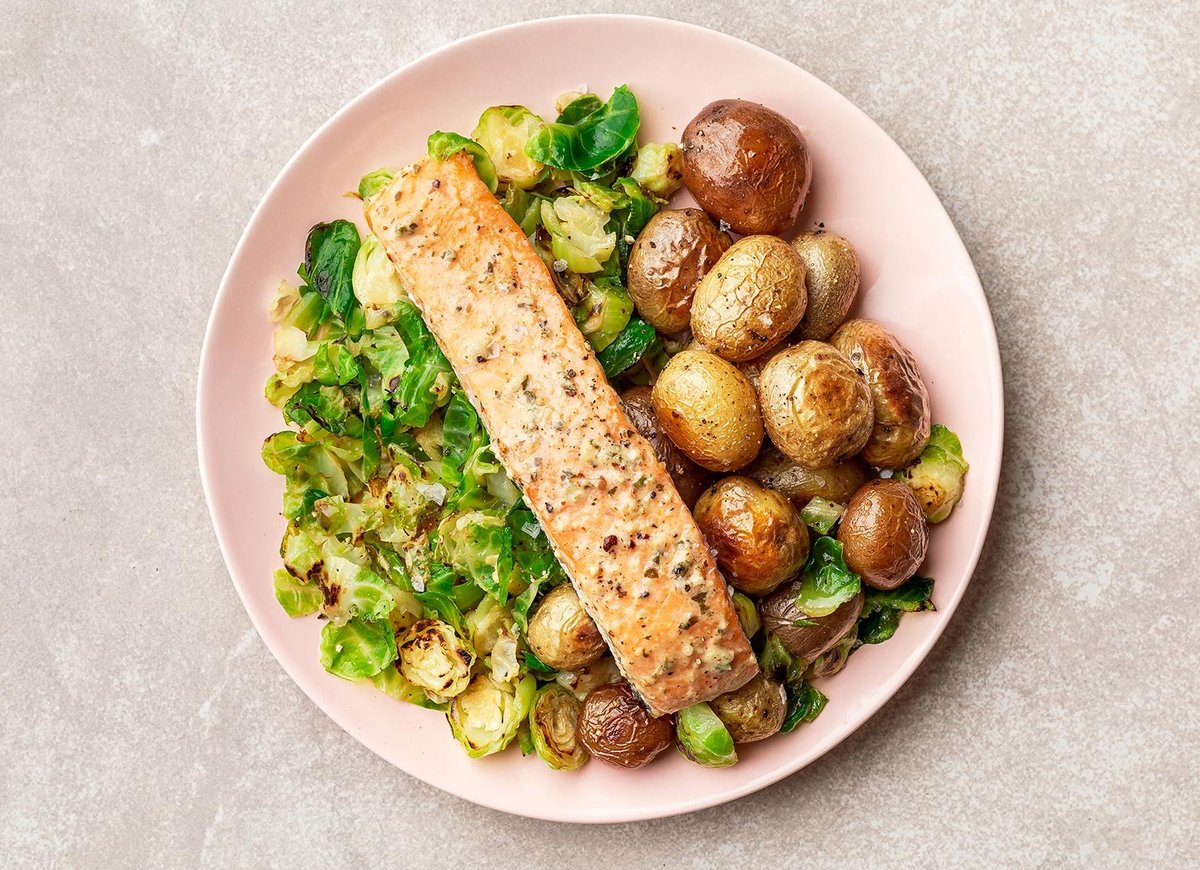
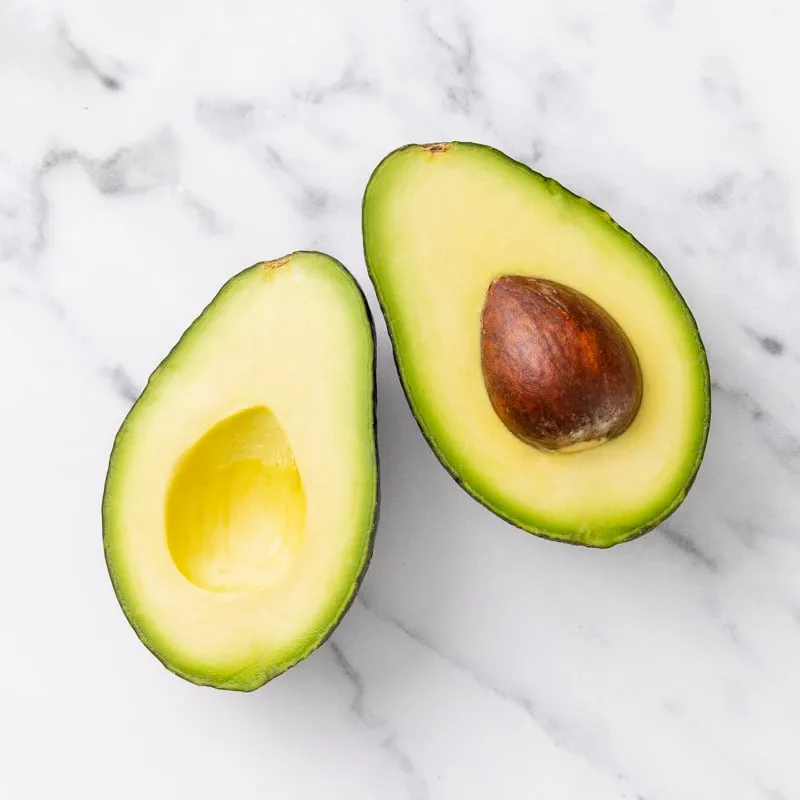
In general, meal plans for a healthy pregnancy include things like a mix of colorful fruits and veggies, whole grains, healthy fats, and plenty of protein.
The key is to focus on balance rather than portion. Don’t “eat for two.” Instead, proper pregnancy nutrition means consistently choosing foods that are energizing and that satisfy your body’s and your baby’s needs.

A well-rounded pregnancy diet has many of the food items you’d expect, including:
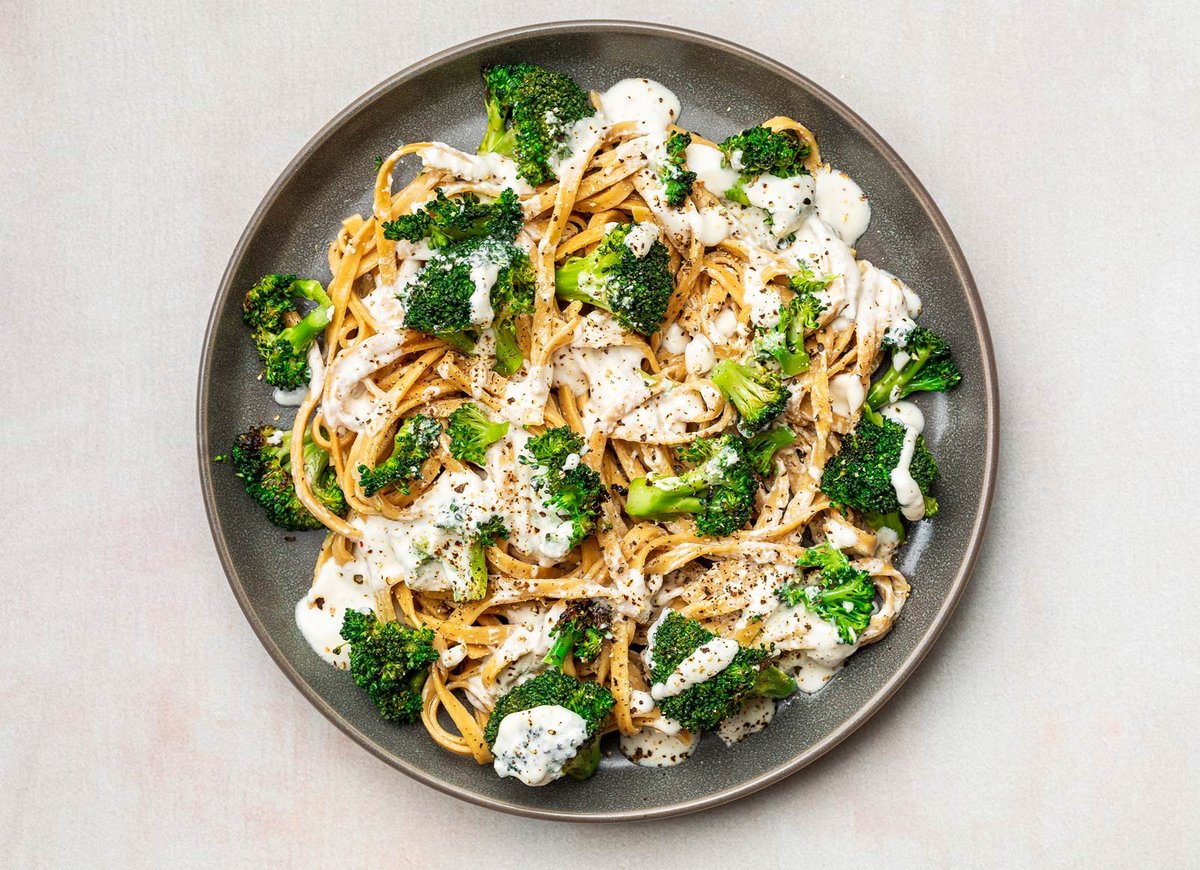
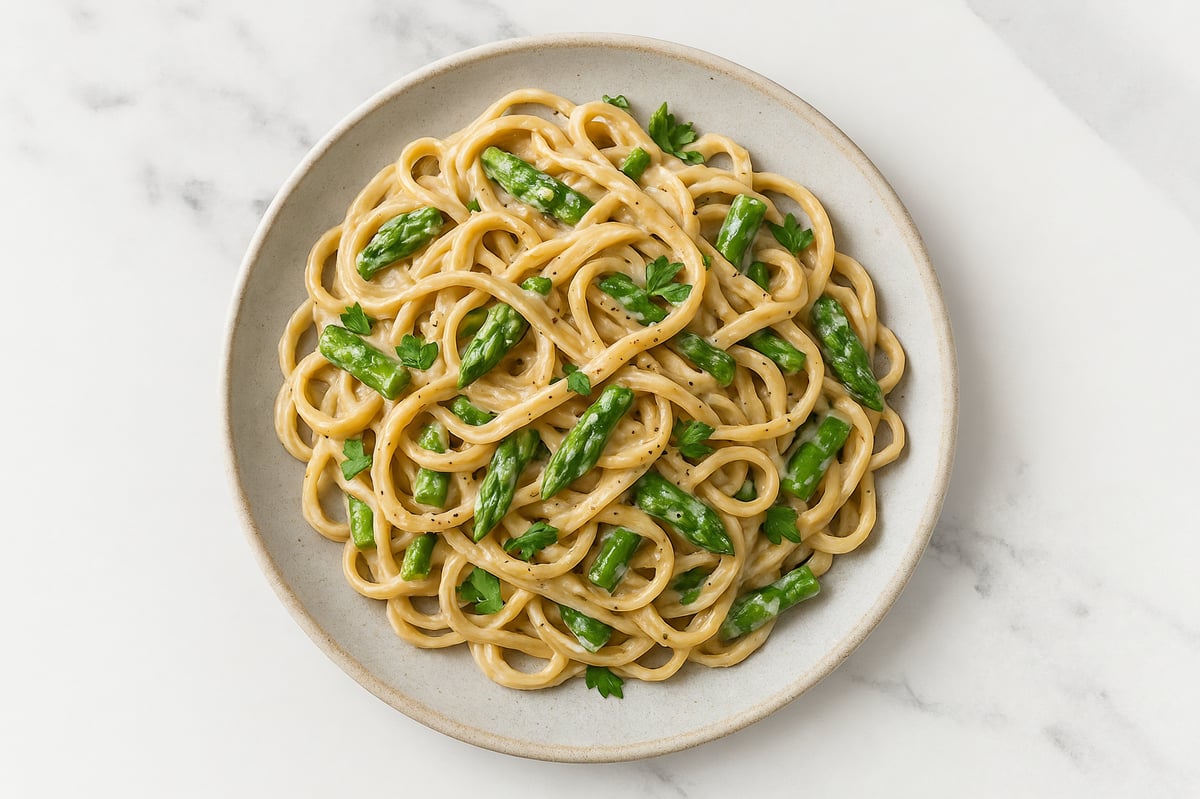
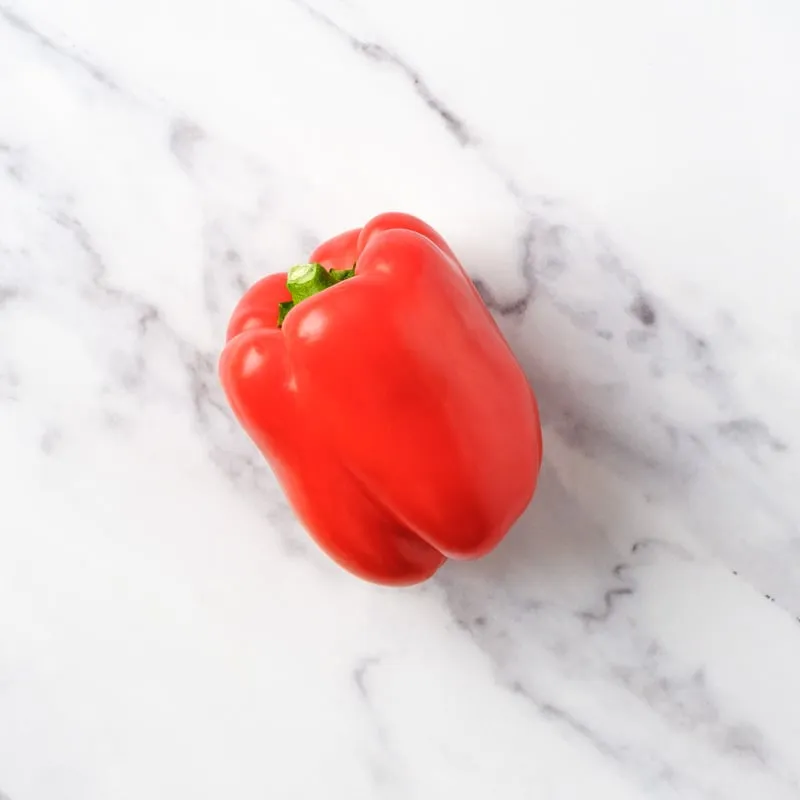
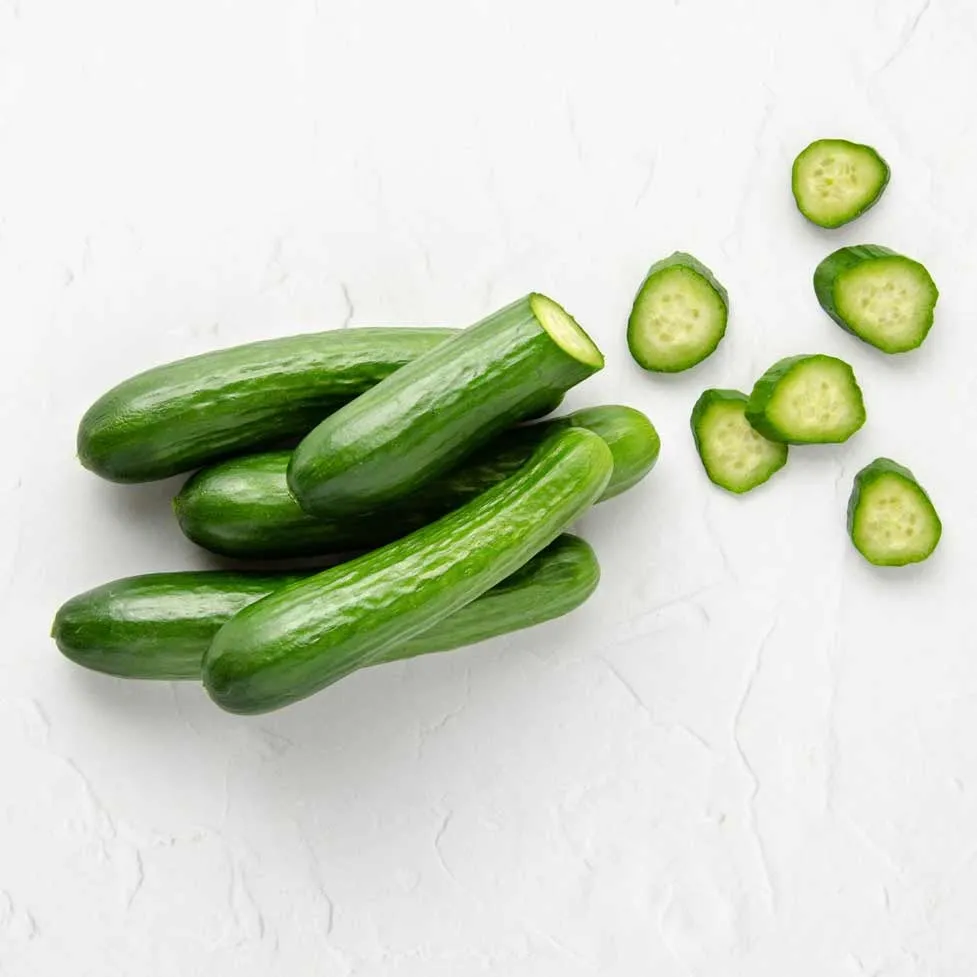
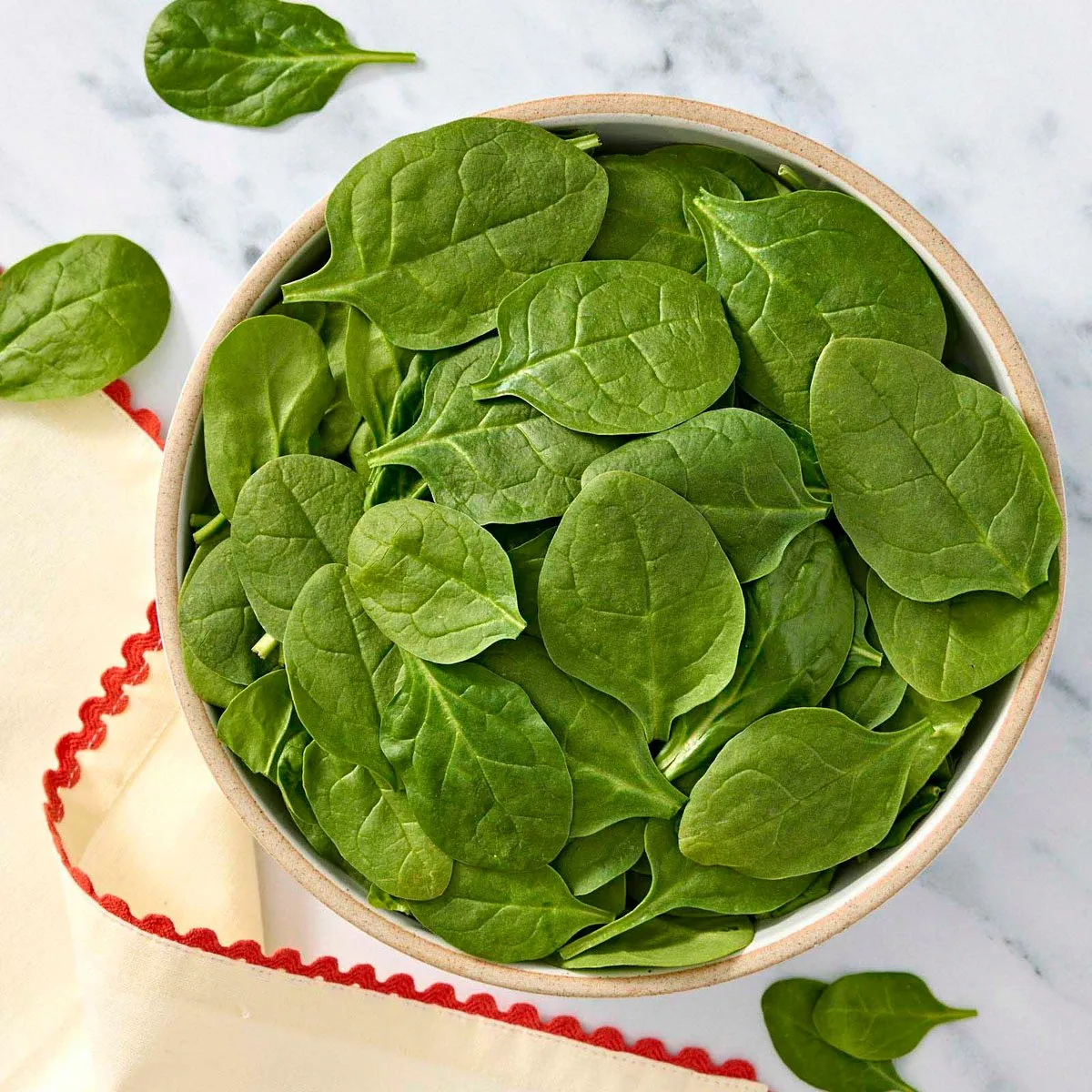
- Fresh, frozen, canned, dried, and juiced fruits and veggies (always wash fresh fruits and veggies thoroughly before eating)
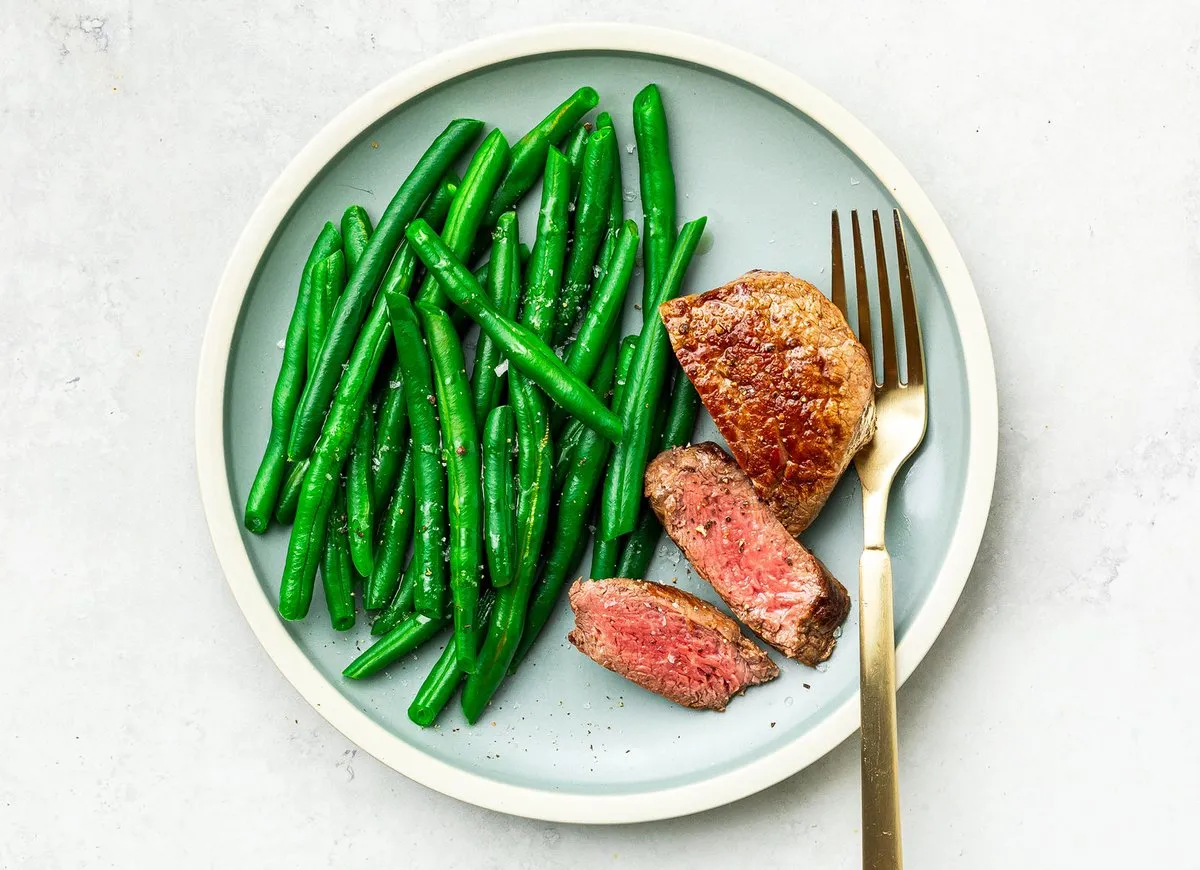
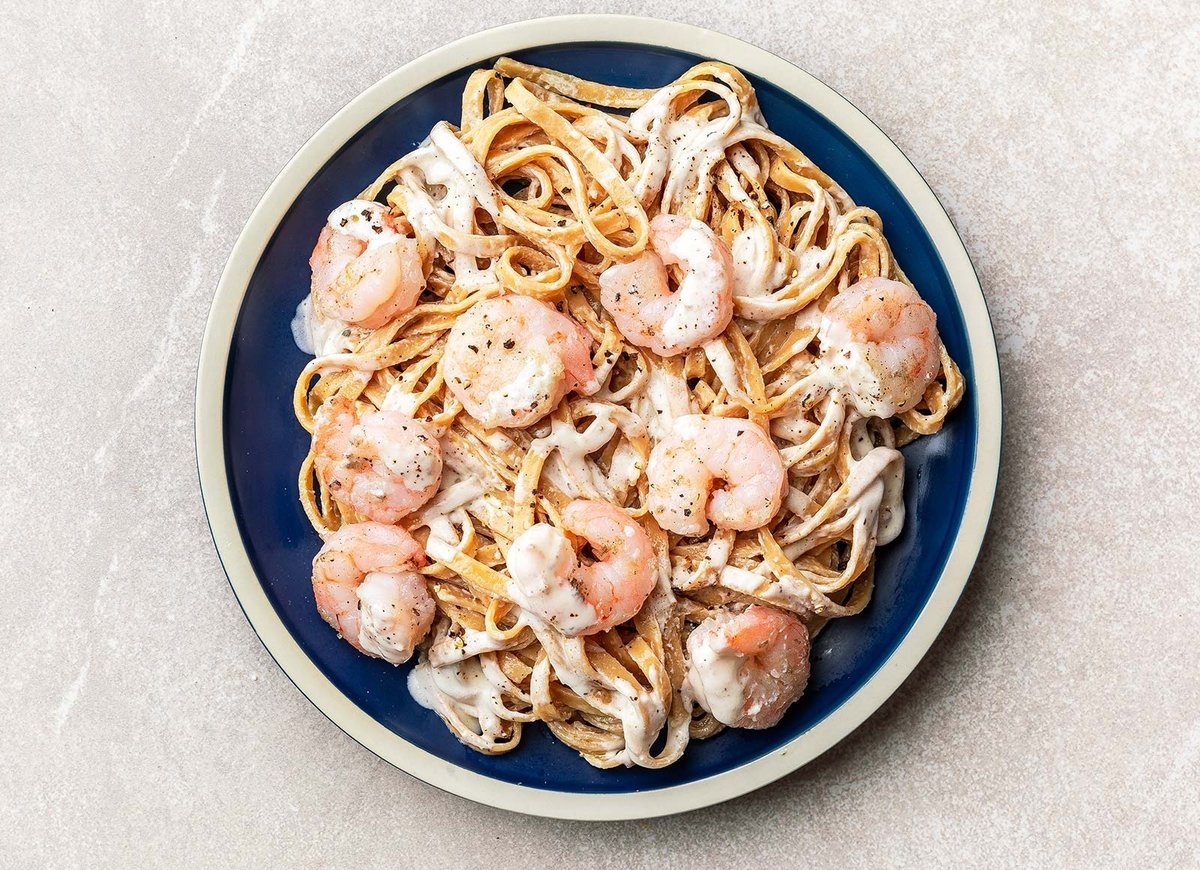
- Protein-rich options (poultry, lean meat, nuts, eggs, fish, beans)
- Starchy foods for energy, vitamins, and fiber (bread, potatoes, cereals, pasta, oats, yams)
- Dairy products for calcium and other nutrients (milk, cheese, yogurt — try to opt for low-fat versions)
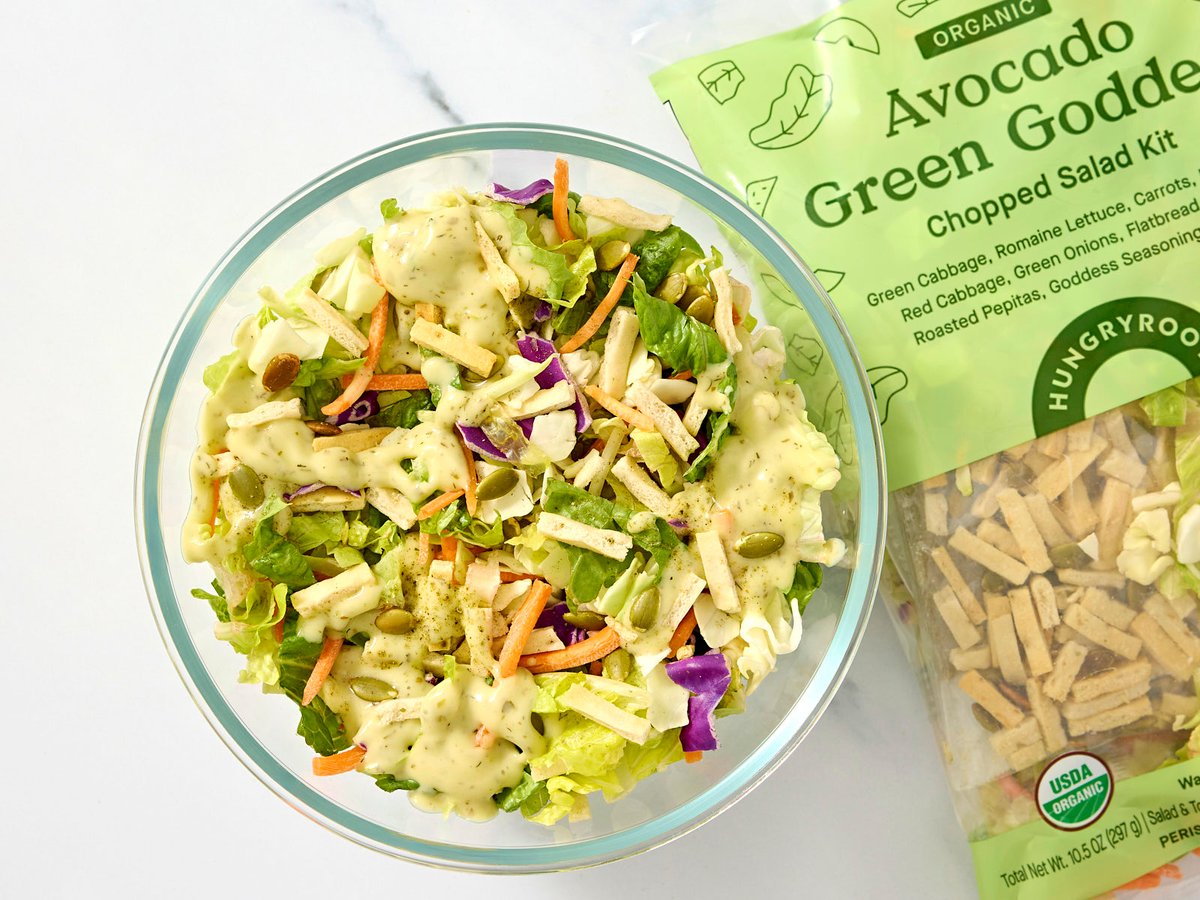
- Healthy snacks (salads, low-fat, low-sugar yogurt, vegetable and bean soups)
The specific food choices will look different for each person — and that’s normal. Cravings will come. Morning sickness could be a factor. Your eating habits will shift in each trimester.
Make sure to consult with your primary care physician about what healthy food choices are best for you during each phase of your childbearing journey. Then, use a tool like Hungryroot to put that plan into action.

One common question is whether you should change what you eat when you’re pregnant and after your delivery. In general, your holistic, nourishing meal plan should stay the same. However, there are a few areas that are likely to change.
One of these is caloric intake. Ironically, you don’t need more calories when you’re growing your baby. It’s if you breastfeed them after they’re born that you need an uptick in total daily caloric intake. How much? It’s recommended that you raise your calorie count by 330 to 400 calories per day when breastfeeding.
Often, there are other adjustments that happen after delivery, as well. For instance, you might focus on higher iron intake during pregnancy. Unless you have significant blood loss during delivery, the extra iron might drop after you’ve had your baby.
One more important factor to be aware of is the tendency to slip from a healthy diet after your delivery. You might have the best prenatal nutrition plan in place for the first nine months. But studies have found that the good dietary habits you learn during a pregnancy are often dropped postpartum. It’s important to work with a medical professional to have both a pregnancy and postpartum diet plan in place and tailored to your specific needs.
Once you have those plans, you can use Hungryroot to streamline your meal planning, shopping, and meal prep to help you stay on diet…

Creating a pregnancy diet plan can be overwhelming. You want to strike a balance with your food choices and make sure you and your baby have all of the nutrients needed to stay healthy. As you figure out your food guidelines, Hungryroot’s AI-powered platform can help you put your plan into motion with maximum effect and minimal effort. Here’s how:
- Certified, dietitian-approved options: Our Hungryroot meal recipes are designed with the approval of dietitians. They are certified healthy and tailored to specific dietary choices, such as a pregnancy meal plan.
- Personalized grocery recommendations: We help you identify healthy groceries for pregnancy meals. Set your preferences in our app and then use the one-click-to-add option when you see a recipe you like. We’ll create a pregnancy grocery list based on your meal choices.
- Shopping done for you: Pregnancy is exhausting. Hungryroot takes away the need to spend hours walking around the store by offering pregnancy and postpartum grocery delivery. You can relax while we shop and bring your meal ingredients right to your door.
- Quick meals that fit your macros: Along with offering prenatal and postpartum meal delivery, our pregnancy meal recipes are always quick and easy to assemble, whether you’re a Michelin chef or a beginner trying to quickly pull something together and then sit down.
Hungryroot helps you take doctor-supported dietary advice and put it into sustainable action. We take the work out of maintaining a high-quality meal plan both during and after your delivery date.

Always wash fresh foods thoroughly to avoid any traces of soil. Wash all surfaces thoroughly, as well. Keep raw food away from ready-to-eat options, and use separate utensils to prepare it. Always thoroughly heat all foods to ensure bacteria are eliminated and do not eat foods past their expiration date.

Yes. Pregnancy hunger can come and go as you work through each trimester, burn varying amounts of calories, and experience hormone shifts. Learn more about what to expect and how to manage pregnancy cravings in a healthy way here.

It’s always important to consult with a medical professional in this area. However, common things to avoid include:
- Unpasteurized and soft cheeses (to avoid Listeria bacteria)
- Raw or partially cooked eggs (to avoid salmonella)
- Unwashed fresh fruits and veggies (to avoid toxoplasmosis from soil)
- Foods high in fat and sugar (you can have sugary drinks, baked goods, ice cream, and similar items, but in moderation)
Hungryroot is the most affordable service on this list, and it offers family-size portions. … It takes the idea of quick weeknight dinners and makes it even simpler, eliminating the tasks you don’t want to deal with postpartum—like grocery shopping and meal planning—and keeps prep fast and easy.
Hungryroot has been a lifesaver for me—especially when I was navigating pregnancy cravings and exhaustion. It’s also introduced me to amazing new products…