The Paleo diet is a popular way to reduce health risks, maintain a healthy weight, reduce inflammation, and boost overall health and wellness. However, if you’ve looked into the Paleo diet (or its even stricter little brother, Whole30), you might feel a bit overwhelmed.
We created this resource to clear the air around the Paleo experience. We go over the background and core principles of what it means to eat Paleo, how Whole30 factors into the mix, and how you can use tools like Hungryroot to make a Paleo diet accessible and sustainable.

The Atkins diet is named after a person. The Mediterranean diet gets its title from a region. And the Paleo diet? It’s named after a period of time.
Paleo is short for the Paleolithic diet. Paleolithic refers to part of the Stone Age, an ancient time in human history when people didn’t have options like modern food processing and manufacturing. They didn’t even have basic agriculture. Instead, they lived on a simple diet based on hunting and gathering whole foods.
Unlike other diets, which often focus on behavior change or reaching specific goals, the Paleo diet centers on the simple concept of emulating this ancestral form of eating. Meat and fish, fruits and vegetables, nuts and seeds — if our pre-agricultural ancestors could find and eat it without farm equipment or a modern kitchen, it’s probably on the Paleo menu.
What Do You Eat on a Paleo Diet?
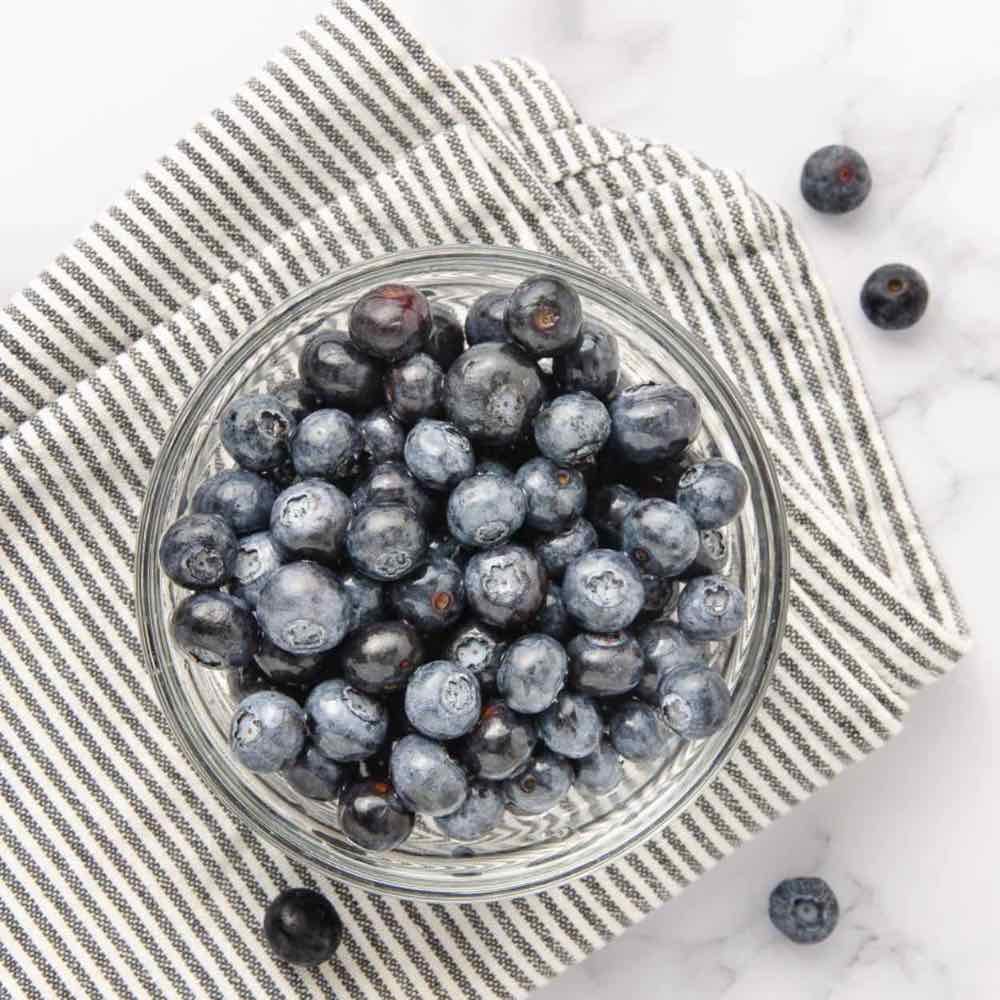
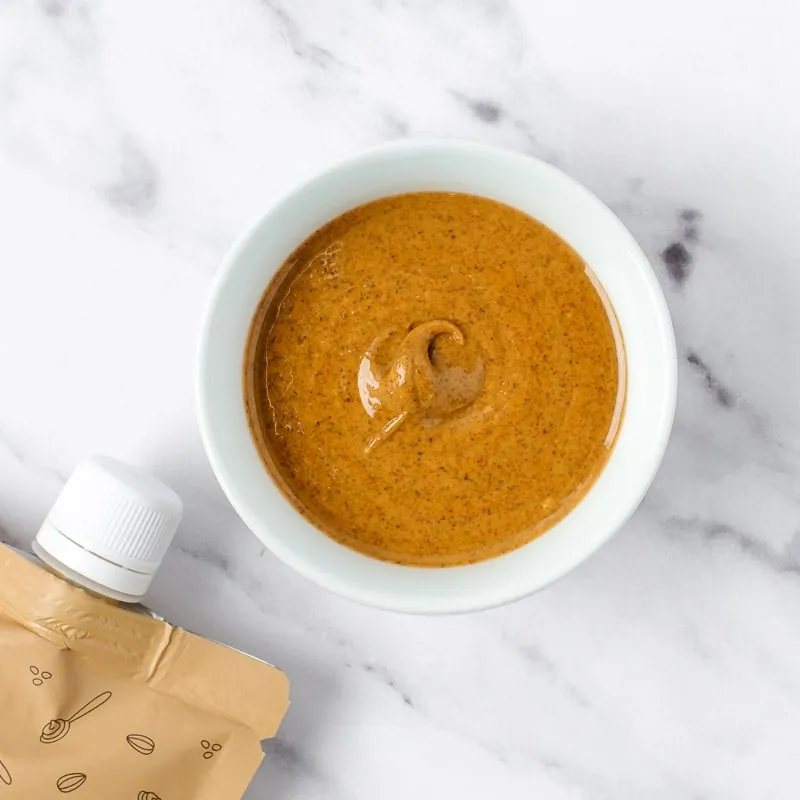
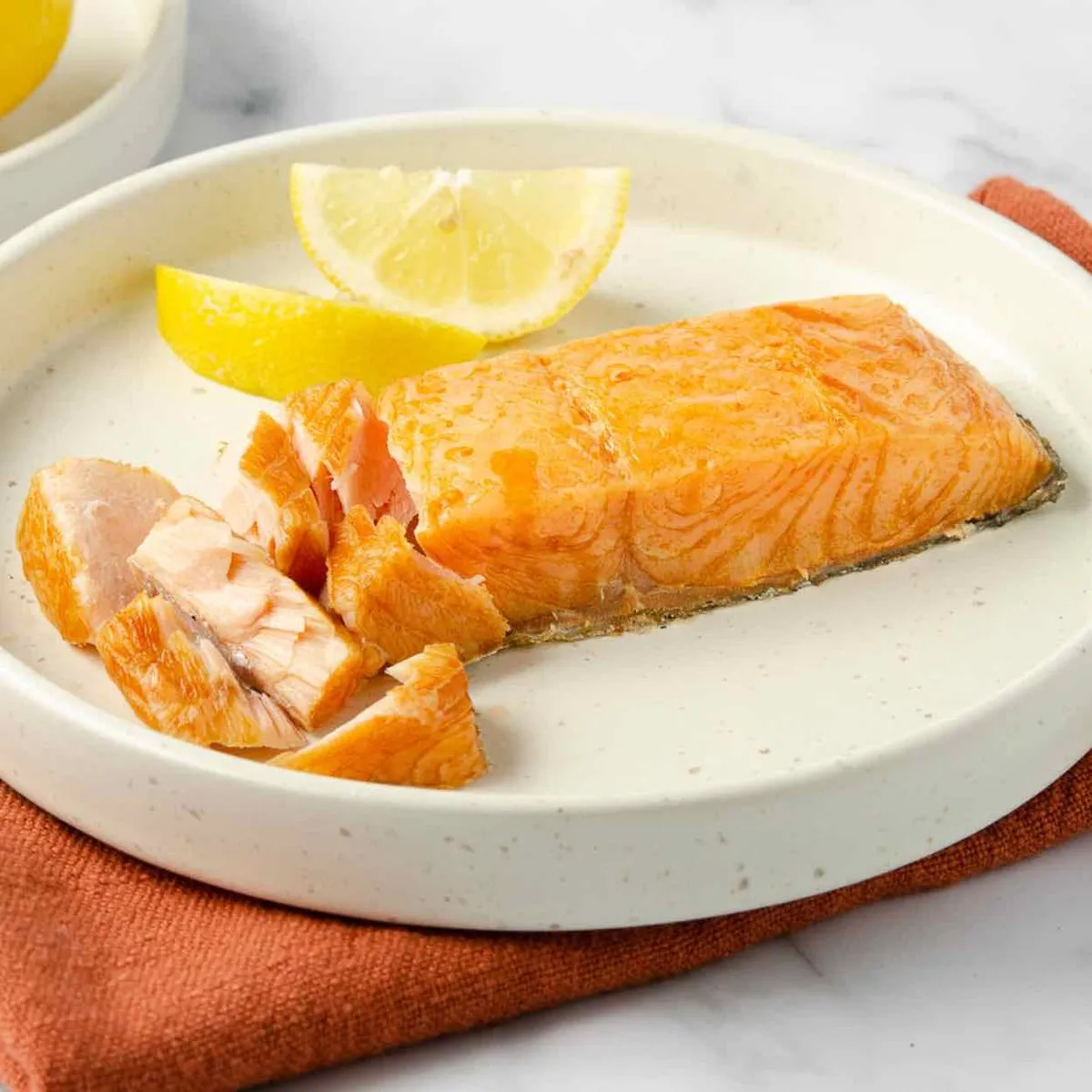
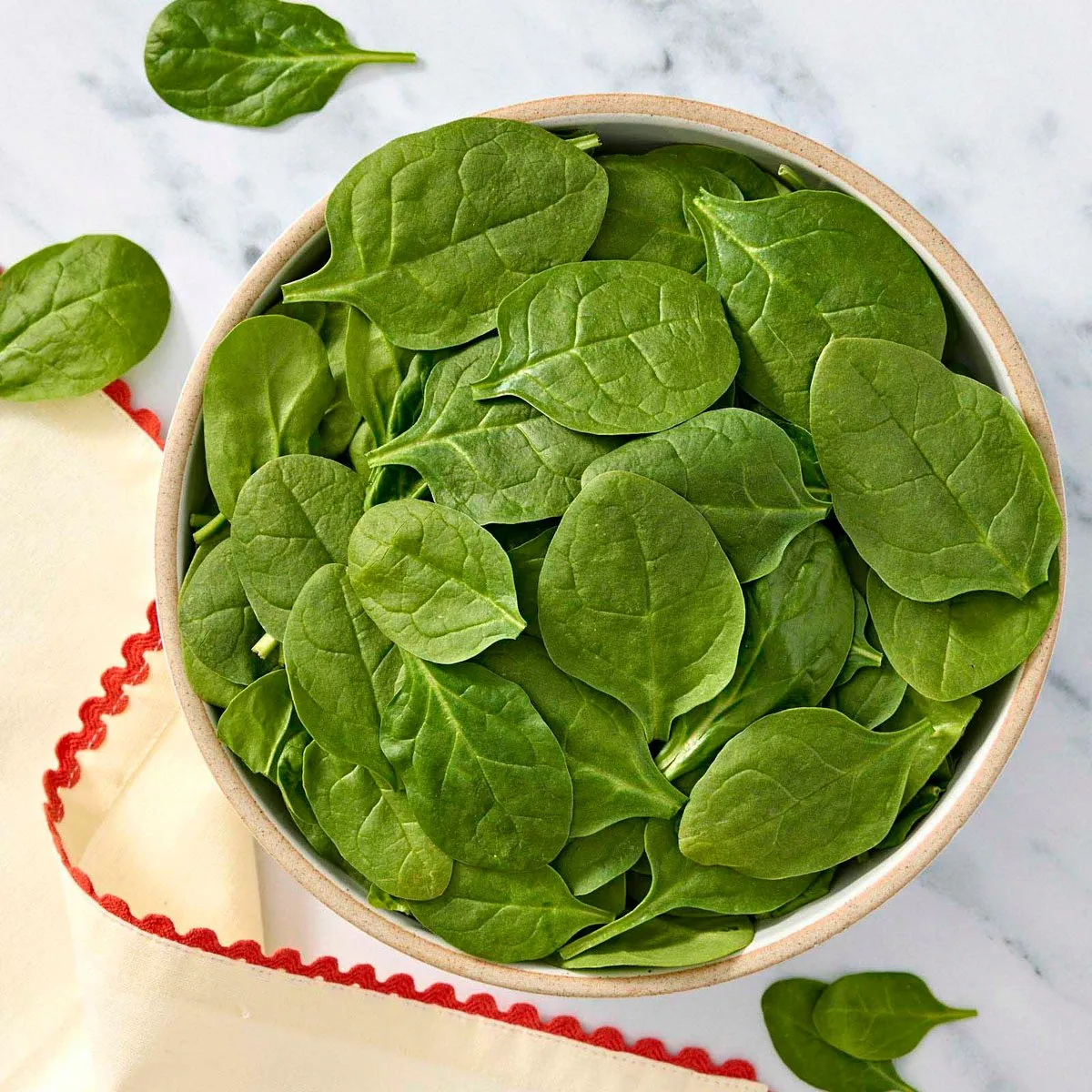
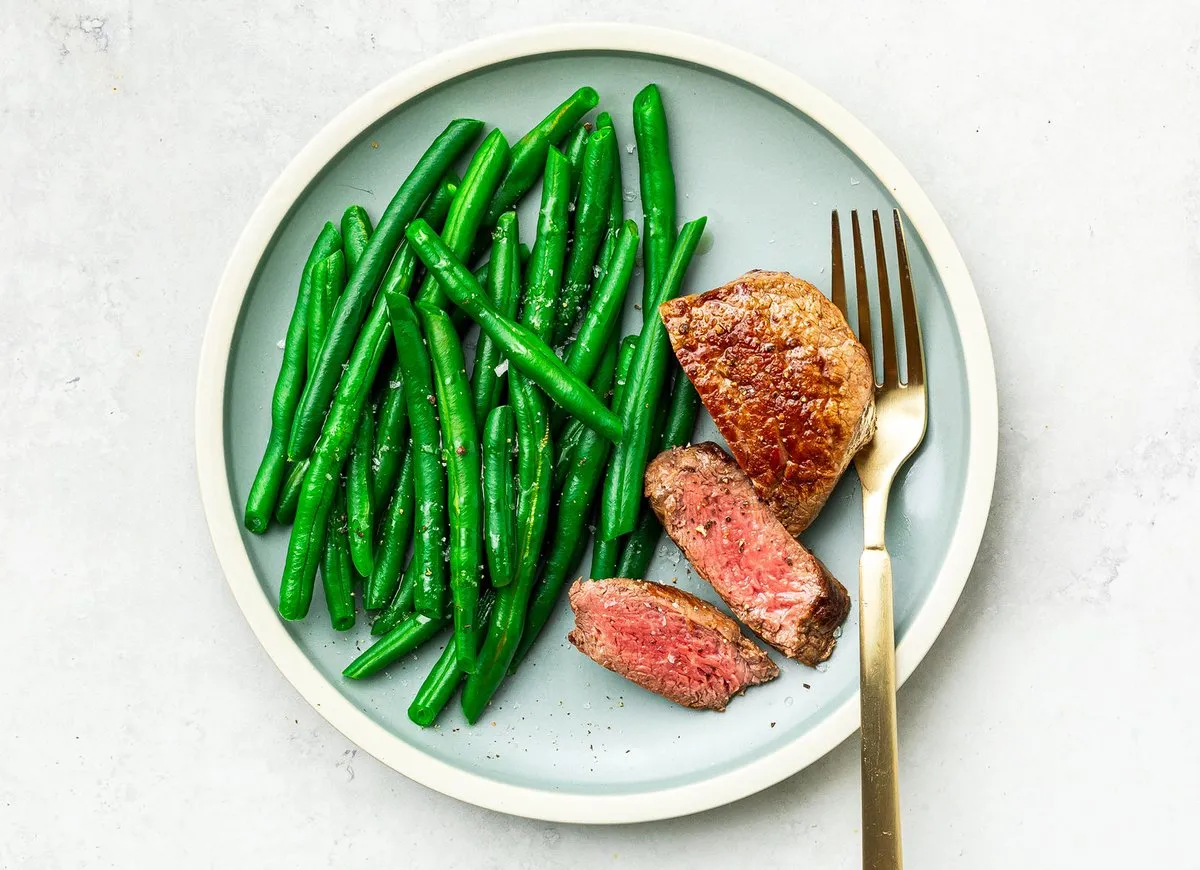
The “hunter-gatherer” concept is a good starting point, but what are the specific foods that go with this kind of diet? A Paleo meal plan focuses on whole, unprocessed foods, including meat, seafood, eggs, vegetables, fruits, nuts, and healthy fats.
This selection is based on the principle that the human body isn’t well adjusted to modern, agriculturally-driven diets and that a holistic approach to natural food is better for overall health and wellness. With that goal in mind, Paleo recipes eliminate grains, legumes, dairy products, refined sugar, processed food, and seed and vegetable oils.
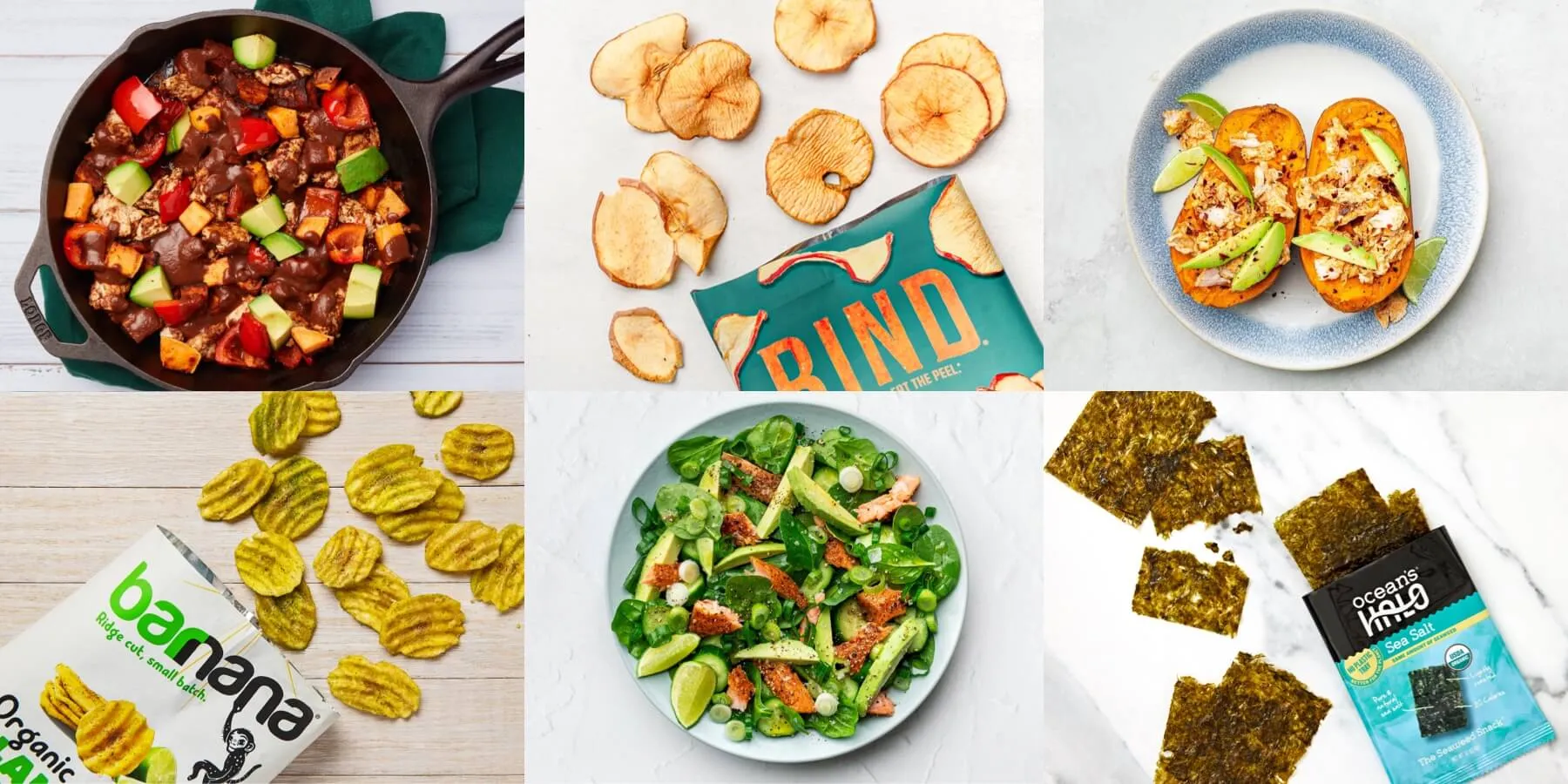
A focus on whole foods may limit certain things, but there are many alternatives and recreations of traditional dishes that fit the Paleo model and principles. For instance, a salmon and avocado salad or a baked potato with mushrooms, chicken, and peppers are great snack options. Full meals can also stay quick and simple, from fajita-seasoned chicken to sausage and potato hash.

Paleo eating has many health benefits, including trying to stabilize blood sugar and reduce inflammation. In fact, Paleo is often linked to the AIP (Autoimmune Protocol) diet due to the anti-inflammatory effects of whole food eating.
The Paleo diet is clean, which often leads to reduced concerns around heart disease and cardiovascular risks, too. It is also effective for weight loss and ongoing weight management.

Another popular food option, the Whole30 diet plan is very similar to the Paleo approach with a few key differences. At its core, Whole30 is a stricter rule-based version of Paleo.
For example, the “Whole” part of the title isn’t a suggestion. Whole foods are the sole focus with this one. Whole30 recipes don’t allow you to recreate desserts (sorry, no “Paleo” pancakes), and you can’t use any sweeteners. Full stop.
The “30” part of Whole30 refers to the length of the diet. Whole30 isn’t a lifestyle diet, like Paleo. It’s a 30-day structured program designed as a reset. It helps break bad eating habits, remove cravings, and get inflammation under control.
Another major difference between Paleo and Whole30 is that the latter needs an exit strategy. Typically, this is a transition phase from the intensive, short-term Whole30 diet to the more manageable long-term Paleo food lifestyle. It’s worth mentioning here that the clean and simple approach of a Whole30 diet is also a great way to identify food sensitivities as you reintroduce things after you’ve eliminated most food options from your diet for a month.
Whether you’re on a strict Whole30 regimen or you’re playing the long game like our ancestors with a Paleo approach, these are diets that require careful planning and attention to detail. That’s where Hungryroot can help.

Coming up with a Paleo grocery list can be a daunting task. Hungryroot is an AI-powered platform that streamlines the Paleo grocery delivery and meal planning process.
Our app allows you to choose Paleo meal and snack options based on lists created by your preferences. Once you pick the meals you want to try, we automatically generate a shopping list and then do the shopping for you, bringing your food right to your door.
Stone Age humans may not have gotten their whole foods in cardboard, but a Paleo food box delivery is a great way to get your Paleo or Whole30 meal delivery without needing to invest a lot of time and resources into the process.
Once you have your Paleo or Whole30 grocery delivery in hand, you have everything you need. Just follow the simple and easy recipes to prepare each meal when the time comes.
At Hungryroot, our goal is to empower you to follow your diet accurately, easily, and without compromising on quality. Avoiding food waste helps you stick closer to your food budget, too, which is important with grocery costs so high. Hungryroot is the Paleo partner that takes the stress out of meal planning in a world where eating healthy and on diet can feel overwhelming.

No. Grains, including rice, are off limits on a Paleo diet. Whole30 is even more strict. However, you can easily integrate a delicious alternative option, such as cauliflower rice.

Fortunately, Paleo recipe alternatives are abundant and include options for traditionally popular things, like:
- Zucchini noodles and spaghetti squash (instead of pasta)
- Paleo pancakes (instead of grain-based pancakes)
- Sweet potato toast (instead of using bread)
- Lettuce-wrap tacos (instead of using grain-based shells)
- Cauliflower pizza crust (instead of traditional breaded crusts)
While these work for Paleo, a Whole30 diet avoids all sweeteners and alternative meals during its month-long focus on simplicity and whole-food options.

Paleo meal plans eliminate many core agriculturally-produced ingredients, including:
- Grains
- Legumes
- Refined sugar
- Dairy products
- Processed food
- Seed and vegetable oils
I was hesitant to try a delivery service, but the customizable plans for gluten and dairy free, as well as paleo options were to hard to pass up.
From the ease of ordering, the delivery notifications, and the way the box was packed were a pleasant surprise. The packaging wasn’t over the top and the ice pack that can be used to water plants is genius!
I’m excited to try my first meal using the recipes and directions provided.
For plant-based eaters looking to explore the Paleo lifestyle … Hungryroot sends … produce in line with your well-being goals (gluten-free, dairy-free, soy-free, and more).
Hungryroot offers a unique take on meal delivery … you will be able to find plenty of paleo-friendly meals and recipes to add to your cart.

.webp)