Whether you’re building a dietary lifestyle around celiac disease or managing a subtle (but still pesky) gluten sensitivity, it can be hard to understand how gluten plays a role in what you eat. This is a practical, food-first guide to empower you as you learn to thrive with a gluten-free diet.
We’ve highlighted the important parts of a gluten-free diet plan, from meal ideas and recipes for inspiration to grocery lists and delivery options for convenience. There are also lists of gluten-free foods, as well as what to watch out for. We’ll walk you through how to build your own meals and show you how Hungryroot can be your partner in making your gluten-free lifestyle simple, straightforward, and rewarding.

We are what we eat, right? The last thing you want to be is something you don’t understand. That’s why building an effective gluten-free meal plan starts with learning what it means to be gluten-free in the first place.
The term “gluten-free” refers to a diet that avoids gluten. This is a protein that helps food retain its shape and is found in wheat and other grains, like barley and rye.
While an important part of many foods, some bodies overreact to gluten. This can lead to an autoimmune reaction, as is the case with more significant cases, like celiac disease. In some cases, gluten intake can also lead to gluten ataxia, an autoimmune condition that affects nerve tissue. This can negatively influence things like mobility, balance, and coordination.
Even if that isn’t the case, when a gluten intolerance is present (i.e., the body reacts to gluten without a full-blown autoimmune reaction), it can lead to unpleasant and uncomfortable inflammation and digestive issues. Sometimes, something as simple as an allergy to wheat itself is the root cause of going on a gluten-free diet.
When your body can’t manage gluten, you need to reduce or eliminate gluten from your diet. This is where a gluten-free diet comes into the picture. This is a diet that avoids gluten intake. This helps the body regain a sense of normalcy, rather than being kept in a state of overreaction and strain.

The subtle challenge of creating a gluten-free meal plan or building a gluten-free grocery list is finding foods that don’t contain gluten. The protein is in countless recipes, and often shows up on nutrition labels, even if it’s buried in an ingredient list.
If you want an easy-to-spot gluten-free food list, here is a selection of several common naturally gluten-free foods to get you started:
- Eggs
- Low-fat dairy products
- Fresh fruits and vegetables
- Beans, legumes, seeds, and nuts
- Lean meats (fish and poultry) that are unseasoned
- Non-gluten grains (like corn, flax, quinoa, rice, and arrowroot)
In all of these cases, it’s important to avoid processed foods whenever possible. For instance, dairy products should be minimally processed. Beans and legumes should be in unprocessed forms, as well. Fruits and veggies shouldn’t be dried, frozen, canned, or in a sauce.

Building a meal plan for the gluten-free diet can be tricky. The general avoidance of processed foods, along with major areas like breads, cereals, baked goods, and processed meats, can be restrictive.
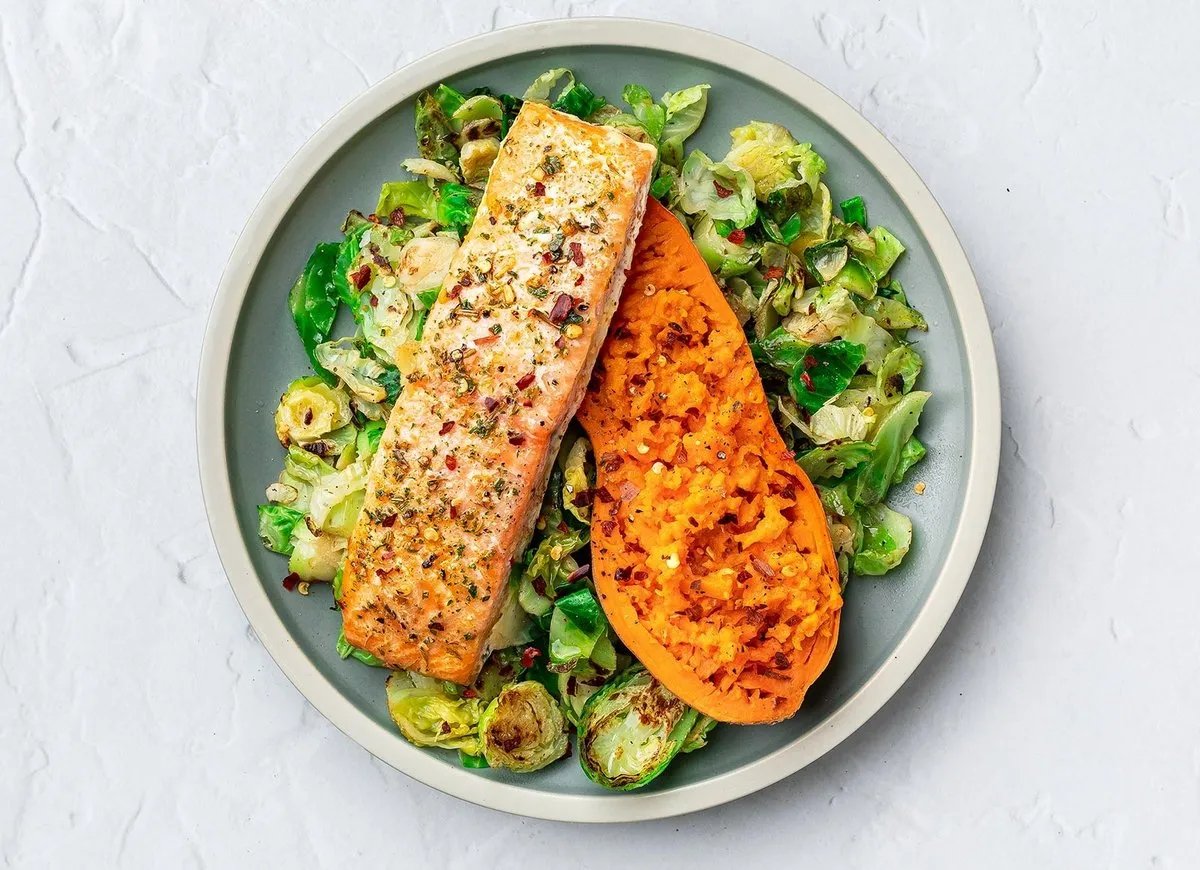
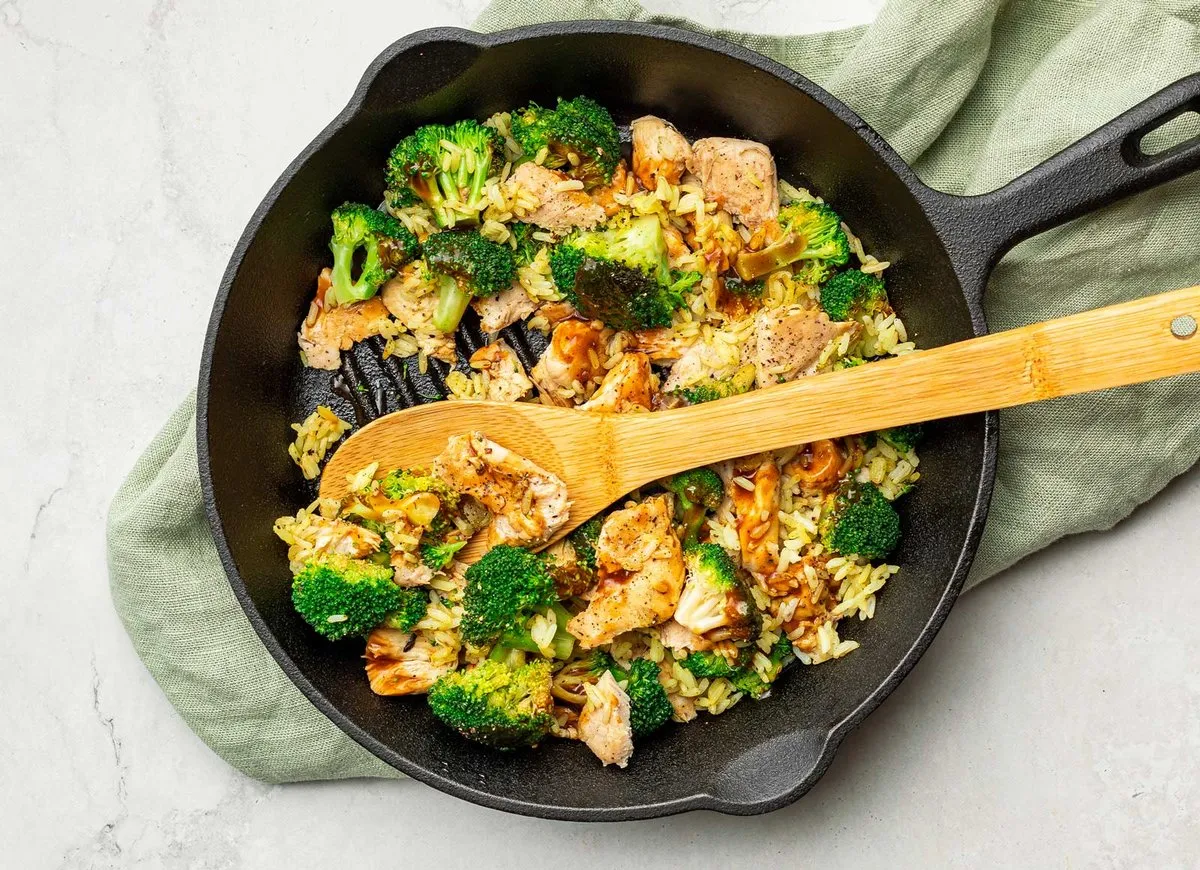
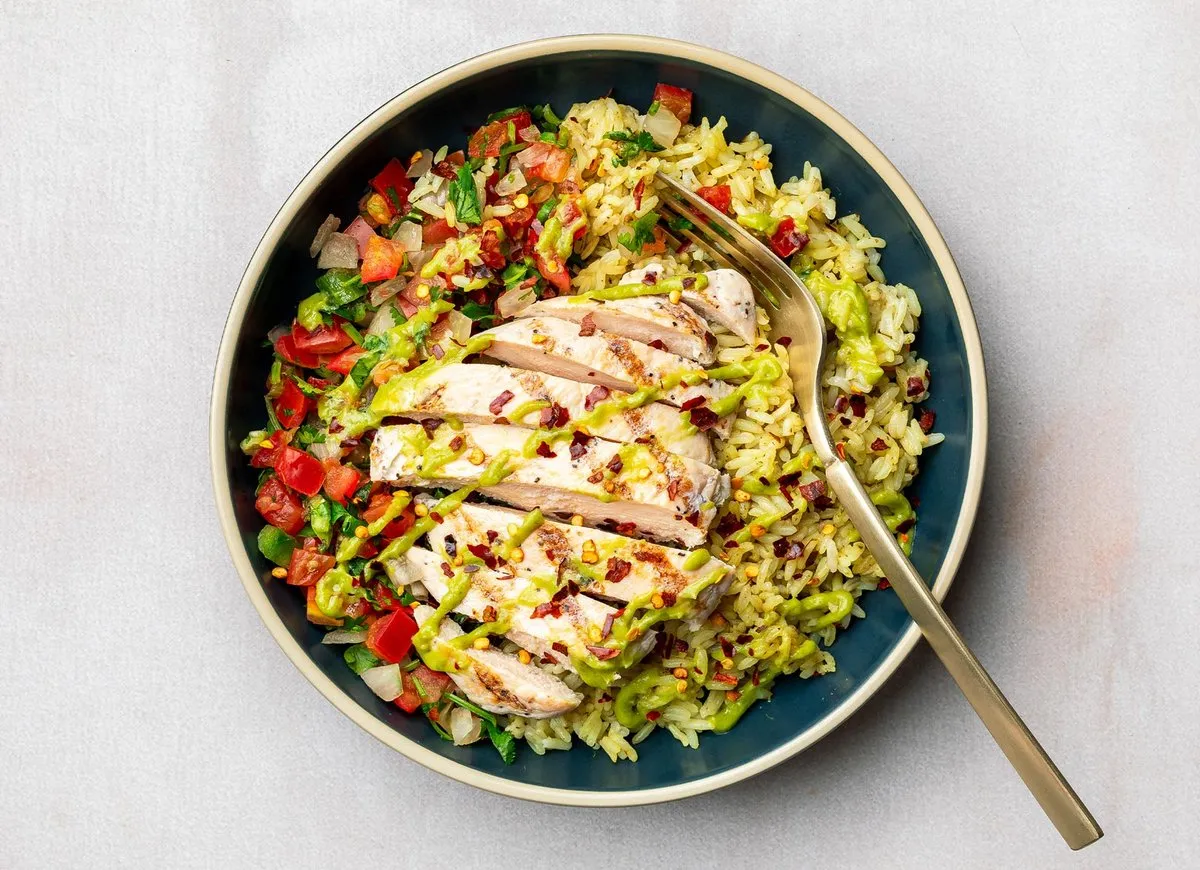
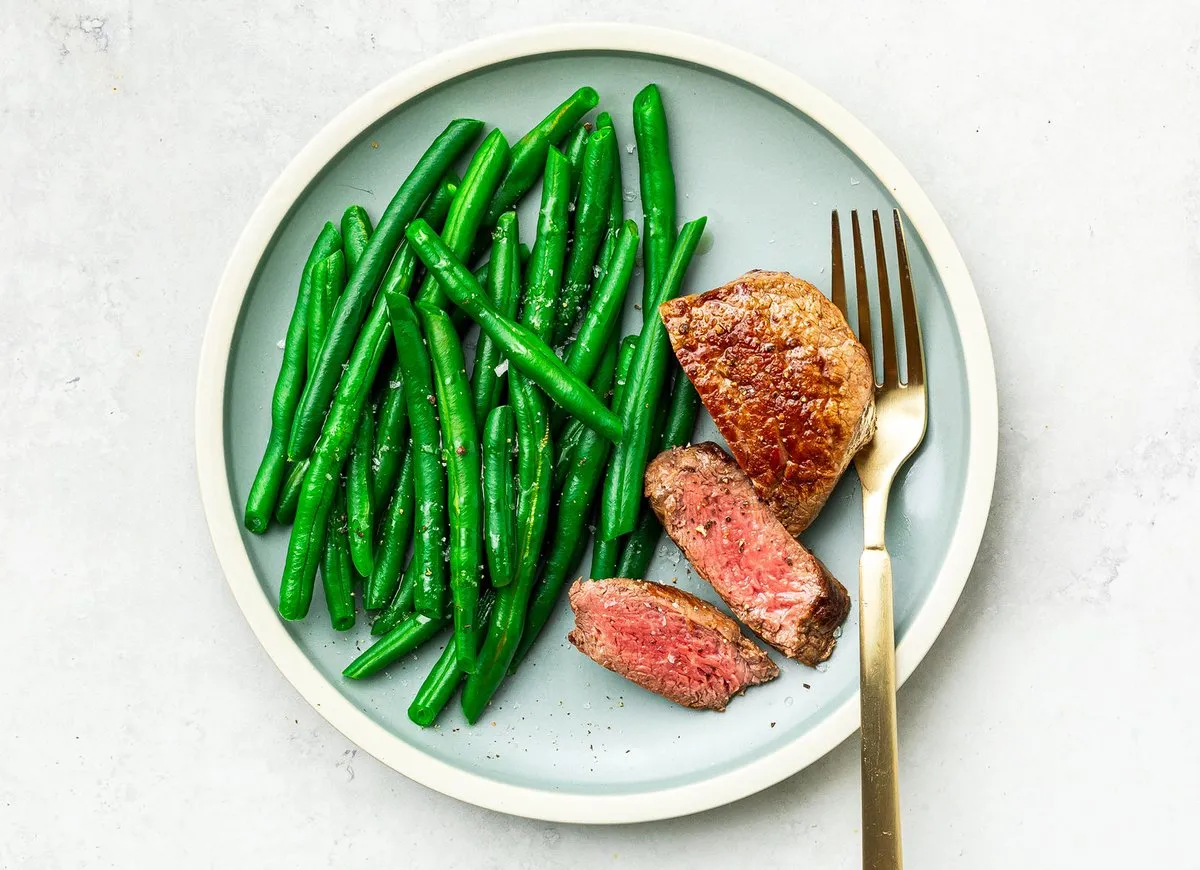
Fortunately, the diet has been around for a while. This has given people time to develop a wide range of gluten-free meals. We’ve highlighted many of the best gluten-free recipes in the featured recipes section below. We’ve also compiled a resource with 10 of the tastiest gluten-free recipes— things like seared sirloin steak with mushrooms, cauliflower toast, and polenta — to help you brainstorm your meal plan.
While this can help inspire you, though, it doesn’t take the grunt work out of living on a gluten-free diet. That’s where Hungryroot comes into the picture.

Hungryroot makes gluten-free living simple by offering the best gluten-free meal delivery option. This is more than a gluten-free meal subscription. It goes beyond offering you little brown, pre-packaged serving sizes that are good for one meal and leave you wondering what you’ll eat next.
At Hungryroot, we’ve built a sustainable gluten-free food delivery ecosystem. Our tool gives you access to an AI-powered grocery delivery service. Here’s how it works:
- You pick based on a personalized list of the best gluten-free products and meal options available, shopping through one-click-to-add recipes.
- We find the best grocery stores for gluten-free shopping and gather the best gluten-free groceries.
- We get your gluten-free foods delivered to your doorstep without your needing to lift a finger (except to tap on those one-click-add recipes).
- Once you get your gluten-free groceries delivered, you use them to cook up simple, beginner-level recipes that leave you with delicious results.
While we never leave you with complicated or advanced recipes, if prep time is an issue, you can still access the convenience of pre-prepared gluten-free foods. The app helps you shop for prepared foods or ready-made meal bowls, trays, and salads whenever that’s a dietary option.
If you want to try the best meal delivery for gluten-free eating, you can partner with our app today and enjoy full-service support, from meal planning to gluten-free foods delivered right to your door.

Technically, yes, in some cases. But signing up for gluten-free grocery delivery isn’t a proper weight loss plan. Most people lose weight on this diet simply because it cuts out many processed foods and refined carbs. This naturally reduces things like caloric intake and portion sizes.

While there is no exact science to symptom relief, many people with minor intolerances feel better within days. Those with more significant conditions, like celiac disease, can take a couple of weeks to start seeing symptoms. Full healing can take several months or even a couple of years of strictly adhering to the diet.

Yes. In some cases, going gluten-free can reduce inflammation, bloating, and digestive health, with the result being less acid reflux symptoms.

No. While some diets come with withdrawal symptoms, there is no scientific evidence supporting the idea that the body struggles when a person stops eating gluten.

Common initial symptoms include recurring bloating, gas, stomach pain, cramping, nausea, diarrhea, loose stool, fatigue, headaches, brain fog, joint or muscle pain, skin issues, and mood changes.
This has been such a game-changer for me I could cry. I have Celiac disease, can't eat dairy, plus I need an anti-inflammatory diet, so eating is a pretty fussy, or limited, experience for me. I was making all my own food and it's too much - meals were getting boring and I simply wasn't incorporating enough veggies into my diet. I still kind of can't believe I can have veggie-loaded, tasty, fast, yummy food that supports my needs and health goals. I had an issue with a recent box and the customer service was responsive and lovely. If you have health issues, you know how little energy you have for dealing with the main thing you need to be healthy - your food. I did not believe anyone but me, or maybe a private chef, could meet my dietary and health requirements with so little effort on my part. I really enjoy the food, eat things I would never make myself so the variety is great, and I'm already seeing a difference in my health. Plus I am saving sooooo much time and energy. Life-altering.


.webp)


%2520(2).webp)