Your gut has a big influence on the rest of your body. The way you treat your digestive tract, including the foods you eat, can impact everything from your immune system to your skin, brain, hormones, and heart.
Your gut is where everything comes together, which is why it’s important to take care of your gut health. A Low-FODMAP diet is one of the more effective ways to do that.
In this resource, we’ll look at the general concept of a gut-health diet and some of the specifics surrounding the Low-FODMAP diet, in particular. We’ll also look at how Hungryroot can help you embrace this complicated but effective diet into your lifestyle with ease.

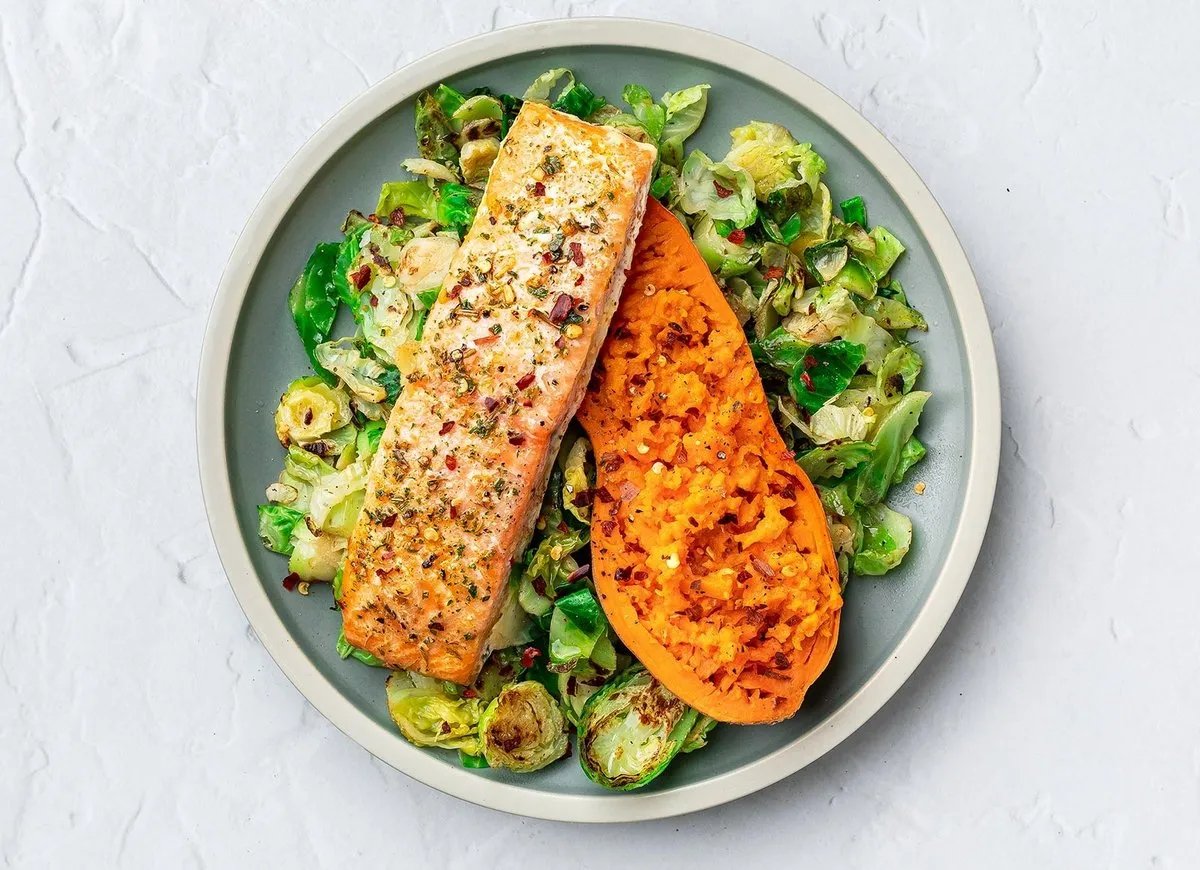
A gut-health diet is a way to shape your diet to support a balanced digestive system through intentional, nourishing food choices. Some diets require following a strict eating structure. The keto diet, for instance, requires consistent low-carb, high-fat foods.
Gut health diets don’t focus on strict rules or complicated restrictions. Instead, a gut health diet plan emphasizes foods that help with specific digestive conditions and concerns. The goal is to reduce bloat, promote smooth digestion, and create a healthy environment for the gut microbiome to thrive.
Often, people will explore gut health recipes and meal plans when they are trying to manage irritable bowel syndrome (IBS) or general digestive discomfort. A gut-forward eating plan that focuses on choosing the right foods can make a meaningful difference in day-to-day symptoms.
Prebiotics and Probiotics
A gut-focused dietary plan typically focuses on a combination of prebiotic and probiotic-rich foods. Prebiotic foods fuel good bacteria in your gut microbiome, helping maintain balance. Probiotic options (often fermented foods like yogurt or kefir) replenish the beneficial bacteria living in your gut, further maintaining that sense of balance.
Digestive enzymes are also important here. These are tiny tools the body uses to break down tough-to-digest proteins, fats, and carbs. You can get enzymes through specific foods and supplements.
Natural, minimally processed foods and ingredients are another emphasis of a gut-health diet. Sugars and highly processed foods are not recommended. It’s also wise to avoid high FODMAP foods.

FODMAP is an acronym for the intimidating title “Fermentable Oligosaccharides, Disaccharides, Monosaccharides and Polyols.” (We’ll stick to saying FODMAP.)
Foods that are high FODMAP contain a specific class of fermentable short-chain carbohydrates that are hard on the digestive system. These aren’t bad. However, they’re tough, and they can sit in your digestive tract longer, breaking down slowly and leading to a variety of gas, bloating, and other uncomfortable symptoms.
What Can You Eat When Doing a Low-FODMAP Meal Plan?
Often, gut health diets lean toward low-FODMAP recipes. Following a low-FODMAP meal plan means you try to avoid foods like:
- Certain vegetables: Asparagus, garlic, and green peas
- Certain fruits: Apples, cherries, mango, peaches
- Certain dairy: Milk, ice cream, soy milk
- Certain proteins: Legumes, processed meats
- Certain nuts and seeds: Cashews, pistachios
- Highly processed breads, cereals, sugars, and sweeteners
Instead, low-FODMAP alternatives for these include:
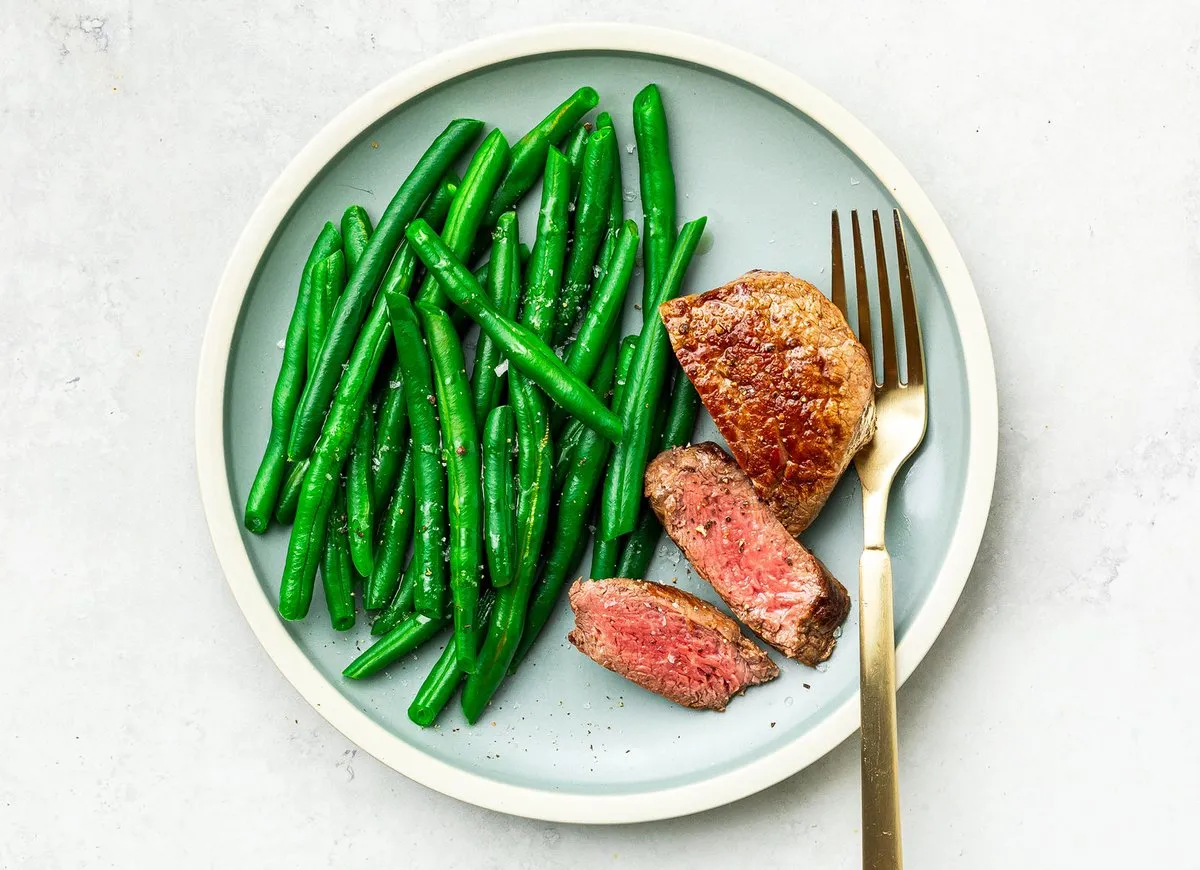
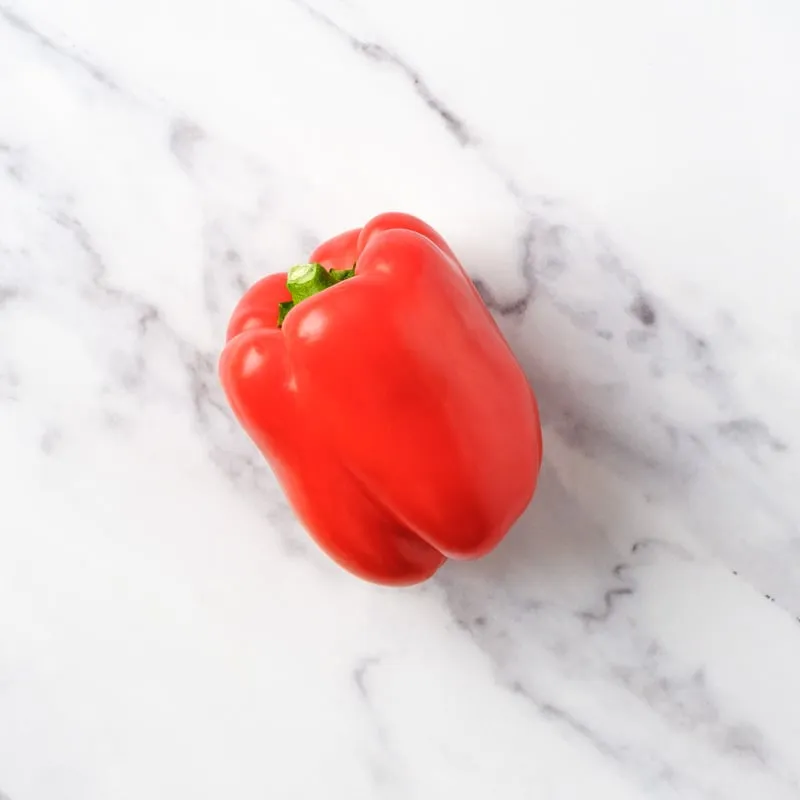
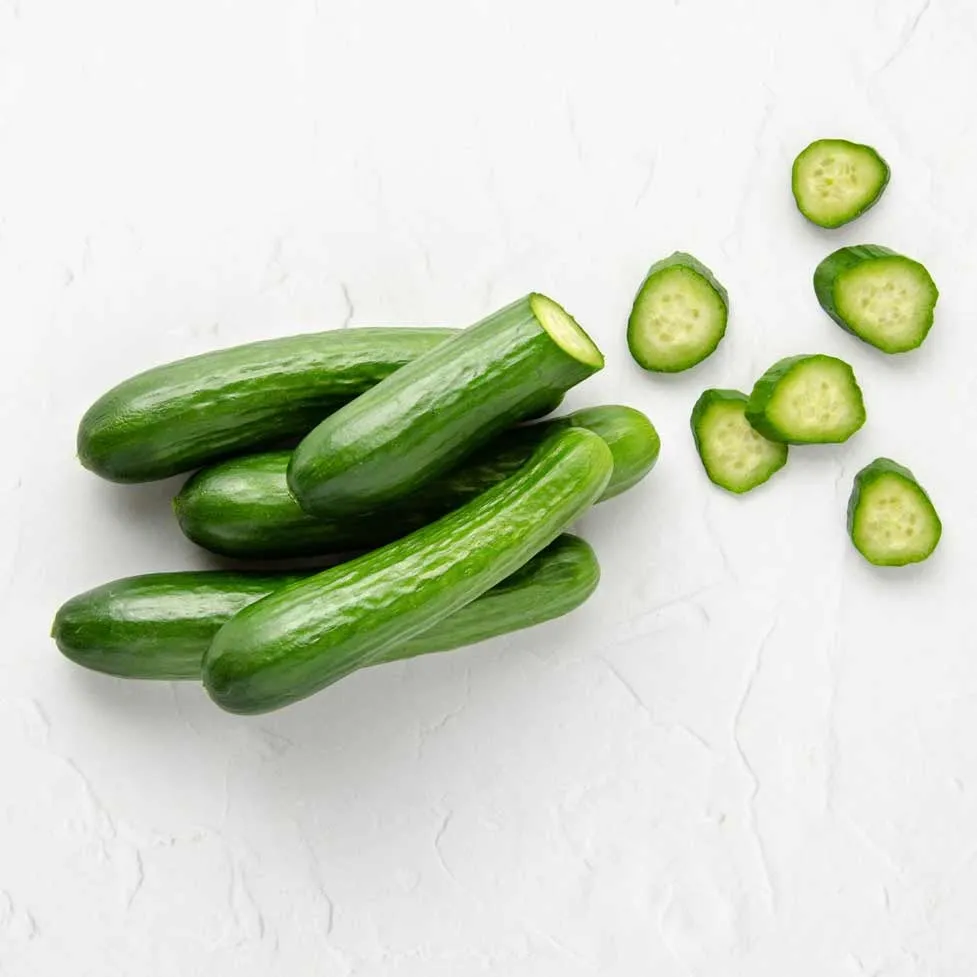
- Green beans, bell peppers, carrots, lettuce, cucumbers
- Cantaloupe, kiwi, oranges, strawberries
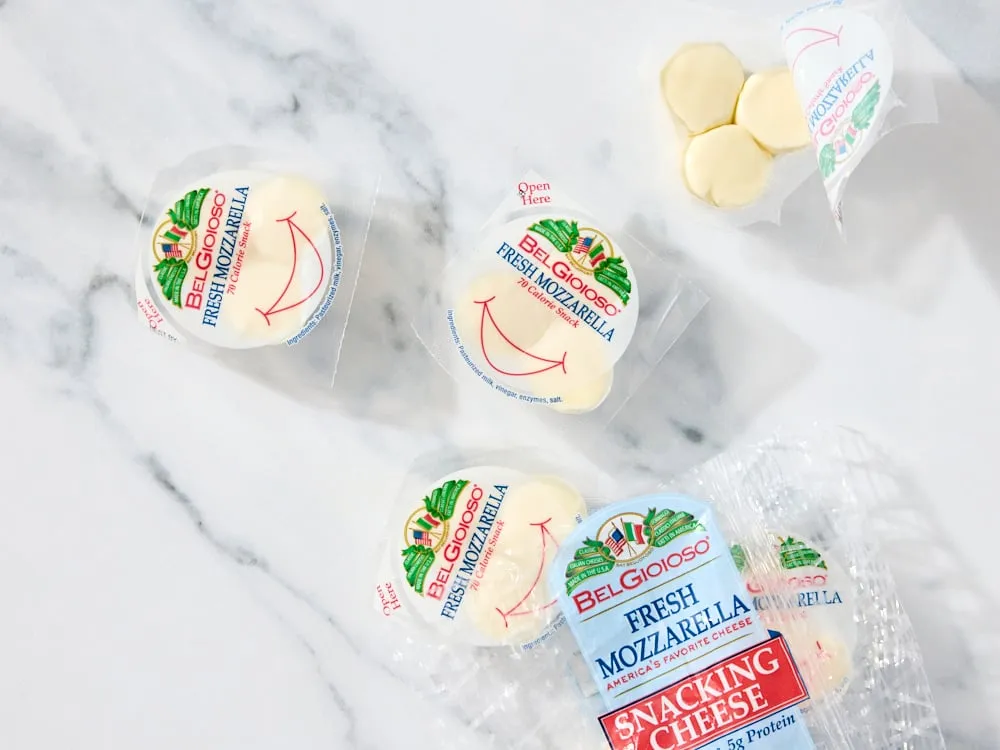
- Almond milk, lactose-free milk, brie, feta, and hard cheeses
- Eggs, firm tofu, tempeh, meats, poultry, and seafood with light seasonings (like lemon juice and olive oil)
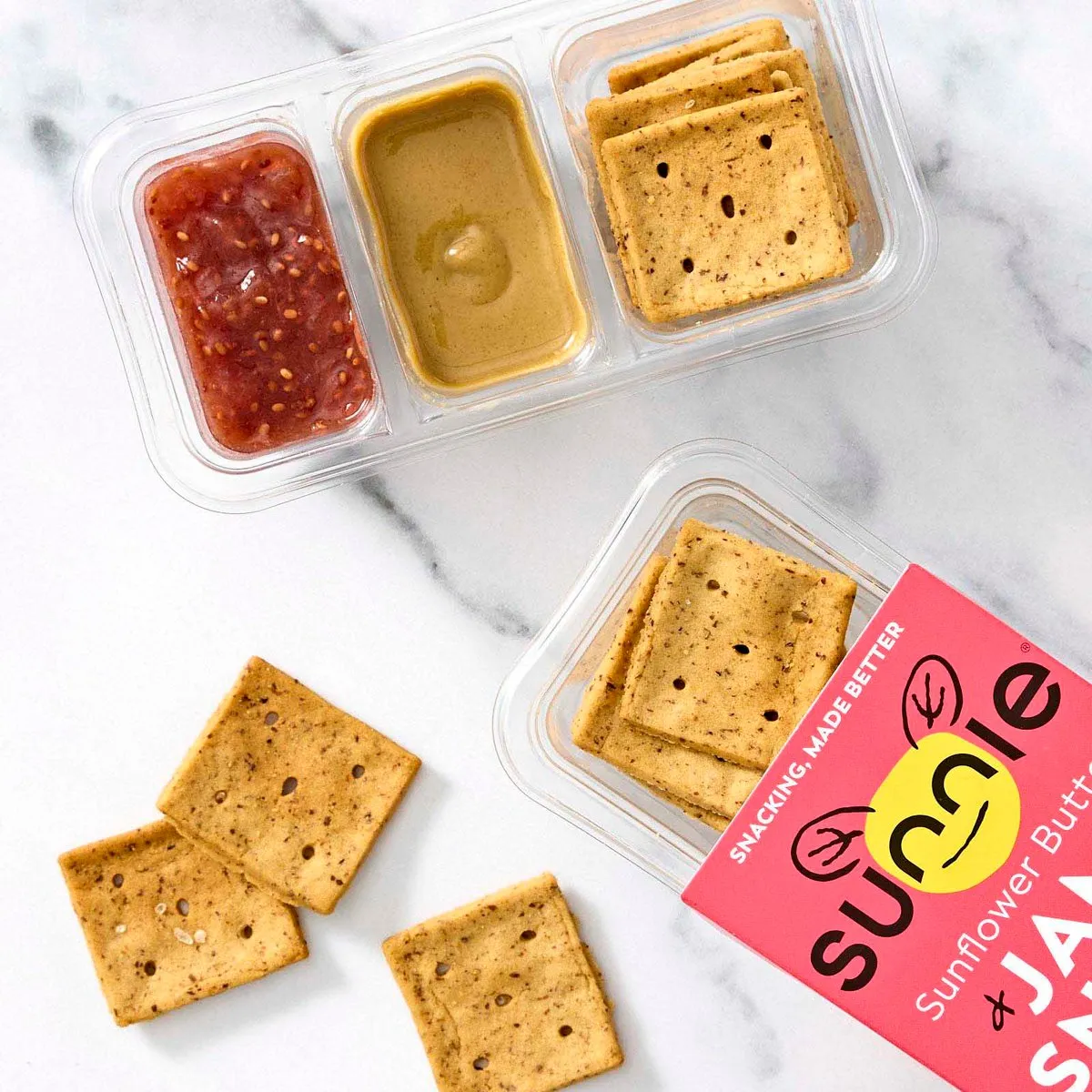
- Corn flakes, oats, rice cakes, and sourdough
- Maple syrup, rice malt, dark chocolate
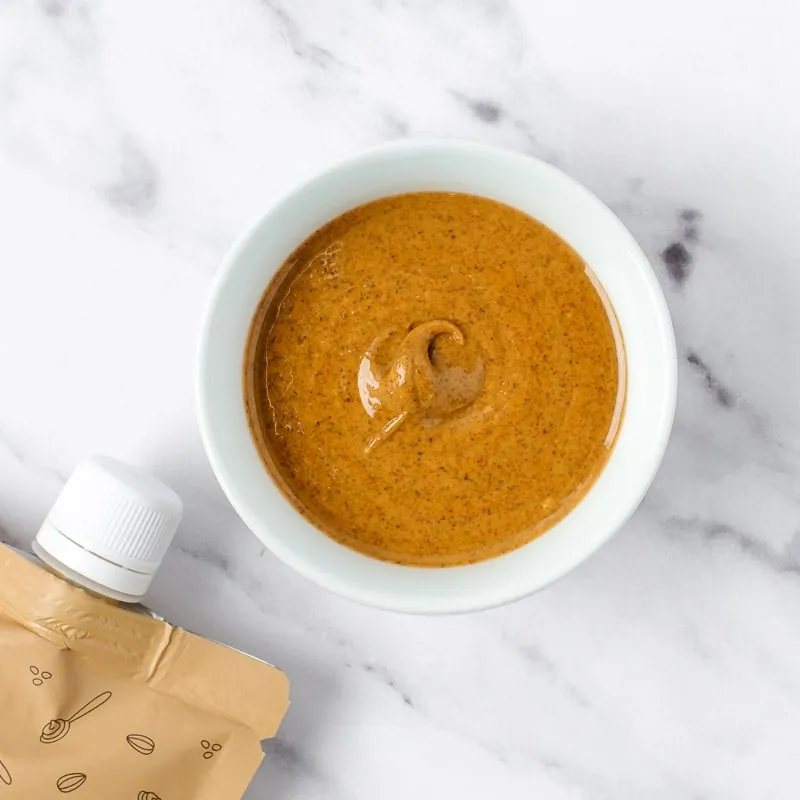
- Macadamia nuts, peanuts, walnuts, pumpkin seeds
The goal is to steer away from high FODMAP foods that trigger symptoms like gas or irregular digestion. Instead, replace them with digestive health foods that avoid bloating and IBS-friendly meals that reduce discomfort.
The best microbiome-friendly foods can vary from one person to the next, so you may need to explore different food choices to see which ones affect your digestion in good and bad ways as you build your low-FODMAP grocery list and map out your gut health meal plan.

Adopting a low-FODMAP diet can be overwhelming. Hungryroot is your diet partner as you figure out your gut health diet program. Our low-FODMAP meal delivery platform walks with you through every step of the process:
- Set up your profile and pick meals: We’ll give you diet-approved recipes based on your preferences.
- Automatically build your grocery list: One-click-add recipes as you go, and we’ll find the best groceries for gut health to go with each one.
- We’ll do the shopping: Sit back and relax while we get your gut-friendly grocery trip in motion.
- Meal prep following simple recipes: Once your low-FODMAP grocery delivery arrives, follow simple and easy recipes that keep your gut and your taste buds happy.
Hungryroot is more than a meal kit platform. We help you understand your diet, find delicious recipes, shop for the right ingredients, and then assemble each meal with ease right in your kitchen. It’s an end-to-end experience that never leaves you hanging as you adjust to your new dietary lifestyle.

Yes! Eggs are a preferred source of protein that is less likely to upset your stomach. However, as with all FODMAP foods, give them a test run and see how your body reacts to them first.

This is a short-term elimination diet that removes fermentable carbs (FODMAPs) from your diet to discover which ones are the most distressing to your system.

There are many food choices. Most food categories are available (fruits, veggies, proteins, dairy, breads, sugars, nuts, and seeds). However, you want to choose low-FODMAP options within these categories. Using Hungryroot can help you find low-FODMAP meal ideas and ingredients that fit your preferences.

A gut-health diet and low-FODMAP meal kits can help manage symptoms from IBD, but they only do so by supporting digestion and reducing discomfort. They cannot treat the underlying cause of the issue. It is always wise to seek professional medical advice when setting up a diet for IBD. Learn more about IBD here.
After switching over to my Hungryroot food, my body has been getting slimmer and my gut health has improved. Not only do I feel better, the food is great and so easy to prepare!
I have been working with fodmap foods for a while, and was pleased that you acknowledge that. Now I have a company on my side. Thanks.
High quality ingredients and great food. The app makes it effortless to “shop” for my food for the week. As someone who is on a strict organic, gluten free, low fodmap, low dairy diet, I like how meticulous their food-preference questionnaire is. Great variety and selection of meals and snacks. Free recipes. They really do make everything easier.


.webp)
.webp)