
Foods That Stabilize Blood Sugar Throughout the Day
That 2pm slump hits and most people reach for coffee or a snack. It feels like a willpower issue or a sleep debt problem. Often, it's neither. The pattern usually traces back a few hours to lunch, and specifically to how quickly that meal moved through digestion. When blood sugar rises fast and drops just as quickly, energy follows the same arc. Choosing foods to lower blood sugar and keep glucose levels steadier isn't about eating less or eating perfectly. It's about understanding which ingredients slow things down in a consistent, practical way. That principle scales from a single meal to a full week of eating.
What Causes Blood Sugar Spikes?
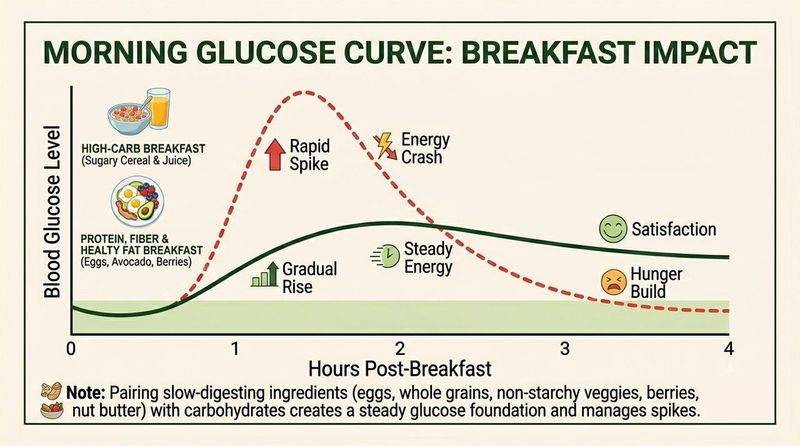
When you eat carbs or carbohydrates, your body breaks them down into glucose, which enters the bloodstream. The speed of that process depends largely on what you ate. Refined carbs and sugary foods move through digestion quickly, causing post-meal blood sugar spikes that prompt a surge in insulin. High blood sugar followed by a rapid drop is what produces that familiar foggy, tired feeling in the hours after eating.
Blood glucose doesn't have to follow that pattern. The glycemic index gives a useful framework for understanding which foods produce a sharper rise versus a slower, more manageable one. Added sugar and heavily processed foods tend to sit at the high end. Whole foods with fiber, fat, or protein tend to produce a much more gradual response.
Foods That Help Lower and Stabilize Blood Sugar
Blood sugar stabilizing foods aren't exotic or difficult to find. Most of them are already familiar. What makes them useful is how they interact with digestion, slowing the breakdown of carbohydrates and supporting a slower rise in blood sugar after eating.
Here are some of the most reliable options:
Leafy greens. Spinach, kale, arugula, and similar greens are low in carbohydrates and high in magnesium, a mineral that plays a role in how the body processes glucose. They're among the most consistent foods that don't spike blood sugar.
Legumes. Lentils, chickpeas, and black beans are high in both protein and fiber, which slows digestion considerably. They're a dependable base for meals built around blood sugar stabilizing foods and fit naturally into a balanced diet.
Eggs. High in protein and essentially free of carbohydrates, eggs have very little direct impact on blood glucose. They also pair well with nearly anything, making them easy to work into any meal.
Avocado. The healthy fats in avocado slow gastric emptying, which means other foods eaten alongside it are absorbed more gradually. It's one of the more practical ways to lower blood sugar response from a meal without changing the meal significantly.
Whole grains. Oats, farro, barley, and quinoa are fiber-rich foods that digest more slowly than refined grains. They provide steady energy without the sharp rise that comes from white bread or processed cereals. For anyone building a low glycemic index diet, whole grains are a reliable foundation.
Nuts. Almonds, walnuts, and cashews combine healthy fats and fiber in a format that's easy to add to meals or eat as a snack. High-fiber foods like these help regulate blood sugar by slowing how quickly carbohydrates are absorbed.
Non-starchy vegetables. Broccoli, zucchini, peppers, and cauliflower are all foods high in fiber and low in carbohydrates. They add volume and nutrients to a meal without meaningfully affecting blood glucose.
These are foods to help regulate blood sugar across the full day, not just at a single meal. Building most meals around at least two or three of these categories tends to produce more consistent energy than any single food can on its own.
Chef's Tip
The order you eat things matters more than most people realize. Starting a meal with vegetables or protein before moving to the carbohydrate portion can meaningfully reduce the post-meal glucose spike. It's a small adjustment that requires no special ingredients and no extra planning.
Insulin Resistance and the Bigger Picture
A single high-carb meal isn't the concern. The pattern over time is what matters. When blood sugar spikes repeatedly, the body's insulin response can gradually become less efficient. This is the basis of insulin resistance, a condition that often develops quietly and can be an early marker for type 2 diabetes or prediabetes if left unaddressed.
An insulin resistance diet built around low glycemic index foods, fiber, and healthy fats gives the body more consistent signals to work with. It supports healthy blood sugar levels without requiring dramatic restriction. The goal is to help lower blood sugar response at each meal, which over time supports better blood sugar control overall.
A 2024 review found that dietary patterns emphasizing fiber and low glycemic index foods were associated with meaningful improvements in insulin sensitivity and fasting glucose in adults at risk for type 2 diabetes.
Making It Practical With the Right Groceries
Knowing which foods support blood sugar doesn't automatically make them easier to buy and cook consistently. That's where the grocery side of things matters as much as the nutrition side.
A practical diabetic grocery list looks something like this: leafy greens, legumes, eggs, avocado, nuts, whole grains, and non-starchy vegetables. These are the building blocks of healthy meals for diabetes that don't require complicated recipes or significant time in the kitchen. A diabetes meal plan built around these ingredients can be simple, satisfying, and genuinely enjoyable.
Hungryroot works well as a diabetes-friendly grocery delivery option because the selection already skews toward whole, minimally processed ingredients. For anyone looking at diabetic meal plans delivered without the overhead of planning everything from scratch, it removes a significant amount of weekly friction. You're not starting from a blank diabetic grocery list every Sunday. You're choosing from options that already align with a blood sugar diet plan.
One Hungryroot customer who manages type 2 diabetes shared: "I also love that I can tailor my grocery cart to fit my dietary needs as a type 2 diabetic. During the first week of using Hungry Root, I have lost 3 pounds and my blood sugar readings have stayed in range."
For people exploring diabetic food delivery or a diabetic meal kit format, the personalization aspect matters too. The best groceries for blood sugar control look different for everyone depending on preferences, cooking habits, and how much variety they want week to week. Hungryroot adjusts to that over time, making diabetic meal plans delivered feel less like a system and more like a natural routine.
Ready to make busy weeks easier?
Take our quick quiz to discover groceries and simple meal ideas tailored to your preferences.