Dairy is a major food group. It plays a central role in many diets, like the Mediterranean diet, the keto diet, and other high-protein and fat-focused diets. Sometimes, though, dairy is part of the problem. When that’s the case, a dairy-free diet can help manage symptoms and stick to lifestyle choices.
If you’re considering a dairy-free diet, you’ve come to the right place. We’ve created this resource to help you learn more about what a diet without dairy looks like. Use it to learn about dairy, lactose, and the concepts behind a dairy-free approach to eating. You can also see how Hungryroot can help you create and maintain a no-sweat dairy-free meal plan.
Ready to put together a personalized dairy-free diet plan and start shopping for lactose-free meals?

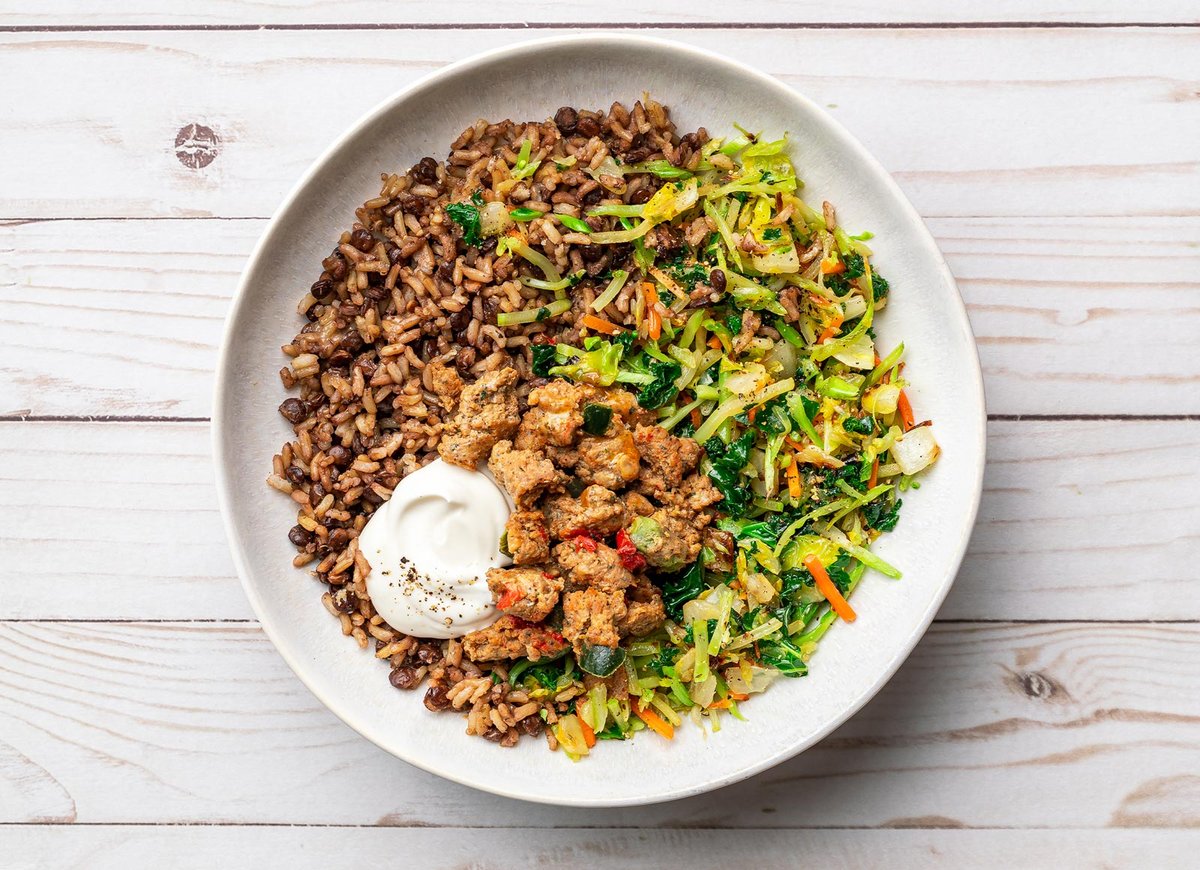
A dairy-free diet eliminates all dairy-related foods and products made with them. This includes things like milk, butter, cheese, yogurt, and cream. (While often associated with dairy, eggs aren’t included and are still okay to eat on a dairy-free diet unless you specifically choose to avoid them.)
It’s worth pointing out that “dairy” refers to more than just cow products. Goat milk, sheep milk, and other animal milks all fall under the dairy umbrella and should be avoided in a strict dairy-free diet scenario.
Eliminating dairy can help you reduce how many high-fat products you eat (helping lower your risk for heart disease). Less dairy can also help your gut health, clear up acne, improve digestion, and reduce inflammation.
There are several reasons to go dairy-free with your eating habits. Some people do so for personal preferences, such as sticking to a strict vegan diet where even animal products are off limits. Allergies are another reason to avoid dairy. In that case, eating dairy can lead to a dangerous allergic reaction, making a strict dairy-free meal plan a necessity.
Most often, though, dairy-free diets are used to manage a less dangerous but still uncomfortable health condition: lactose intolerance.

Lactose is a natural sugar found in milk and dairy products. It is composed of the simple sugars glucose and galactose. Once a dairy product reaches your small intestines, lactose is broken down and digested by the enzyme lactase. From there, it is absorbed to nourish your body.
At least, that’s what happens when everything is healthy and in good working order. If your body can’t create enough of this enzyme, though, you become lactose intolerant.
This is different from an allergic reaction (which comes from your immune system overreacting to something). An intolerance simply means your body lacks the ability to break down certain foods rapidly. When that happens, they sit in your intestines longer, leading to gas, bloat, and other uncomfortable symptoms.
While they are often similar, when a food is lactose-free, that doesn’t always equate to it being dairy-free. On the one hand, things like lactose-free yogurt, milk, and cheese can still be dairy products, so you want to watch what you buy. On the other hand, if something is dairy-free, you can be sure it doesn’t have lactose.

It’s estimated that around 30 million American adults have developed some kind of lactose intolerance by the time they turn 20 years old. If that happens, it can make sense to limit or even eliminate dairy from your diet.

Not eating dairy can address some symptoms, but it can also lead to nutritional shortfalls. Lack of calcium and vitamin D are common examples.
A healthy approach to a dairy-free diet is important. This should focus on balancing out your other food groups, including healthy quantities of fruits, vegetables, grains, legumes, and meats. It’s also worth exploring dairy alternatives you can add to your diet to fill that dairy gap.