
How Much Protein Do You Need Daily
If you've ever searched for a simple answer to how much protein per day you need, you've probably landed on five different numbers with five different explanations. Some sources cite body weight. Others reference activity level or age. A few push protein powders before you've even gotten to the actual answer. It's a lot, and most of it doesn't account for how you actually eat day to day.
This guide cuts through the noise. Whether you're eating a plant based diet, building more structure into your meals, or just trying to understand what your body needs, here's what's actually useful to know.
How Much Protein Per Day Do You Actually Need?
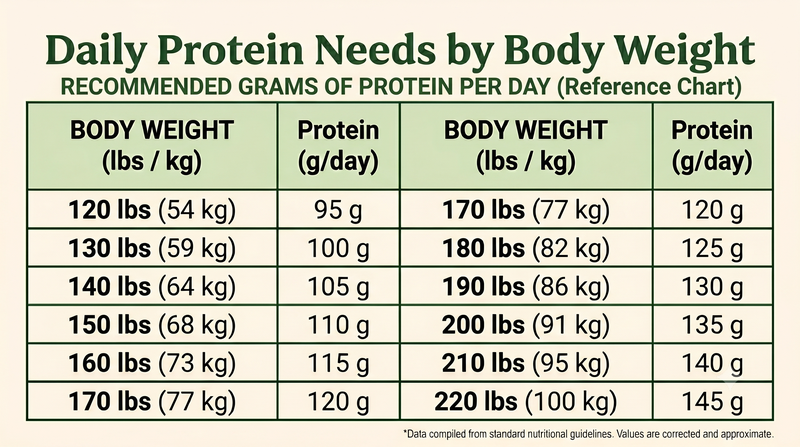
The most widely referenced baseline is 0.8 grams of protein per kilogram of body weight per day. That's the recommended daily protein intake for generally healthy, moderately active adults. It's a starting point, not a ceiling.
To find your number: divide your weight in pounds by 2.2 to get kilograms, then multiply by 0.8. The result is your rough daily protein target in grams of protein per day.
Protein Intake Per Day for Women
Protein needs by body weight apply across the board, but protein intake per day for women can look different in practice depending on life stage. During pregnancy and breastfeeding, needs increase noticeably. After 50, muscle maintenance becomes a more active priority, and higher protein intake is often recommended to support that.
The standard 0.8g/kg baseline is a useful floor. Active women, or those going through hormonal changes, may find that daily protein intake closer to 1.0 to 1.2g/kg feels more supportive of their energy and recovery.
Nutritionist's Tip: If tracking grams feels tedious, a simpler approach is aiming for a palm-sized portion of protein at each main meal. It won't be perfectly precise, but for most people it gets you close enough to a consistent daily protein intake without the mental overhead.
Good Sources of Protein on a Plant-Based Diet
Plant protein gets a reputation for being incomplete or insufficient. The reality is more nuanced. While individual plant foods may not contain all essential amino acids in equal proportions, eating a varied plant based diet across the day covers your full amino acid needs reliably.
Some of the most practical good sources of protein for plant based meals:
- Lentils (about 18g per cooked cup)
- Chickpeas and black beans (roughly 15g per cooked cup)
- Tofu and tempeh (14 to 21g per serving, depending on preparation)
- Edamame (about 17g per cup)
- Quinoa (8g per cooked cup, and one of the few complete plant proteins)
- Hemp seeds (10g per 3 tablespoons)
- Peanut butter and almond butter (7 to 8g per two tablespoons)
These ingredients form the backbone of a solid plant-based grocery list and work across nearly any meal format. They're also the kinds of ingredients that make plant based meal prep straightforward rather than complicated.
Chef's Tip: Tempeh takes on flavor much better than tofu when marinated for at least 20 minutes before cooking. A simple mix of soy sauce, garlic, and a splash of rice vinegar works well. Pan-fry until the edges are crisp and it becomes a satisfying protein anchor for grain bowls, a vegetarian dinner, or wraps.
Animal vs. Plant Protein: What to Know
Both animal and plant proteins can support your protein needs. The practical difference comes down to what else each source brings with it.
Animal proteins like eggs, chicken, fish, and dairy are considered complete proteins, meaning they contain all essential amino acids in useful amounts. They also tend to be calorie-dense, which matters depending on your overall eating goals.
Plant proteins often come packaged with fiber, complex carbohydrates, and a lower calorie load per gram of protein. For people building a vegan meal plan or vegetarian meal plan, the key is variety. Combining different sources across the day, such as grains with legumes, naturally rounds out your amino acid profile.
A well-planned plant-based approach can absolutely meet your full protein requirements. Some of the best vegan recipes do this elegantly: a lentil soup with whole grain bread, a tofu stir-fry over brown rice, or a chickpea bowl with tahini all deliver solid protein without any animal products.
Many Hungryroot customers say the service makes it easier to eat more intentionally without spending time building meals from scratch. As one customer put it, "We are low-carb and high protein and this is a great fit!"
Building Protein Into Your Week Without Overthinking It
The most sustainable approach to hitting your daily protein target is making it structural rather than effortful. That means keeping reliable sources stocked and building plant based meals around a protein anchor from the start.
A few practical habits that help:
- Anchor each meal with a protein source before building out the rest of the plate
- Keep a few ready options on hand: canned beans, pre-cooked lentils, hard-boiled eggs, or Greek yogurt if you eat dairy
- Use plant based meal prep to batch-cook a grain and a legume at the start of the week
- Lean on vegan grocery delivery to keep your staples consistent without multiple store trips
If you want more structure around the week, a vegan snacks rotation is one of the easiest ways to add consistent protein between meals without extra planning.
Ready to make busy weeks easier?
Take our quick quiz to discover groceries and simple meal ideas tailored to your preferences.