
How to Eat Mediterranean on a Budget
Many people assume the Mediterranean diet is expensive. Olive oil, salmon, specialty cheeses, and fresh produce can look costly at first glance. But eating a Mediterranean diet on a budget is often more about strategy than price tags.
The core of the Mediterranean diet is not luxury ingredients. It centers on beans, whole grains, seasonal veggies, and simple proteins. When you focus on Mediterranean diet affordable ingredients, you can build satisfying meals without overspending.
Yes, You Can Eat the Mediterranean Diet on a Budget
A Mediterranean diet on a budget starts with rethinking what drives cost. Salmon does not need to appear every night. Extra virgin olive oil does not need to be poured heavily. Feta can be used in small amounts for flavor instead of as a main protein.
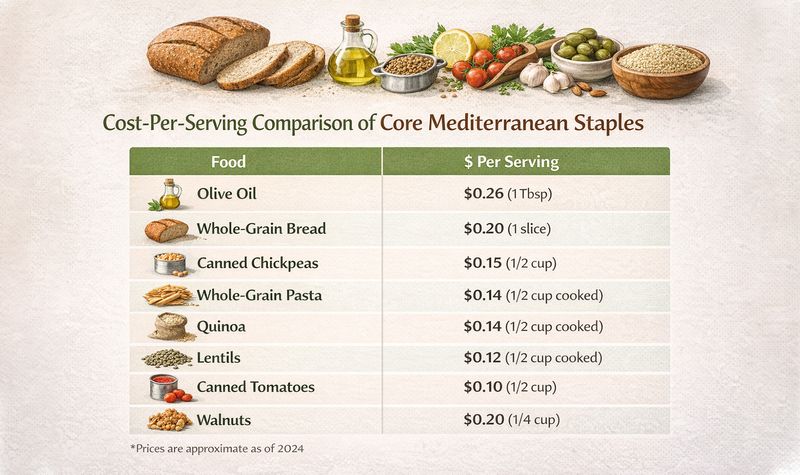
Lentil dishes, chickpea salads, tuna bowls, and whole grains often cost far less per serving than heavily meat-centered meals. These ingredients form the backbone of many Mediterranean diet meals.
When you follow the Mediterranean diet with a focus on staples rather than specialty items, the overall Mediterranean diet cost can feel more manageable.
Budget-Friendly Staples That Stretch
If you want cheap Mediterranean meals that still feel balanced, build around ingredients that stretch.
Lentil and chickpea dishes are reliable foundations. A pot of lentil soup can last several meals. Chickpea salad works in wraps, bowls, or alongside veggies.
Whole grains like brown rice, farro, or barley are filling and affordable. A single batch can anchor multiple Mediterranean diet recipes throughout the week.
Canned tuna is often less expensive than fresh salmon and still fits comfortably within Mediterranean diet food patterns. Salmon can remain part of your routine, just less frequently.
Greek yogurt is another versatile staple. It can replace pricier sauces, add protein to breakfasts, and stretch into dressings. A sprinkle of feta adds flavor without requiring a large portion.
Healthy fats do not need to be extravagant. A modest amount of extra virgin olive oil or a handful of walnut pieces can carry flavor across meals. Used thoughtfully, olive oil becomes a long-lasting pantry item rather than a weekly expense.
These budget friendly Mediterranean meals rely on overlapping ingredients. When your Mediterranean grocery list focuses on staples, you reduce waste and lower per-meal costs.
Smart Swaps That Lower Cost
Small adjustments can make a noticeable difference.
Swap fresh salmon for canned tuna once or twice a week. Choose dried lentil over pre-made soups. Buy whole grains in bulk rather than individual packets.
Seasonal produce often costs less and tastes better. Frozen veggies can also support affordable Mediterranean meals when fresh options are expensive.
Planning helps too. A simple Mediterranean diet meal plan built around two grains, two proteins, and rotating vegetables can anchor an easy Mediterranean diet meal plan for the week. This kind of meal plan keeps costs predictable and reduces impulse purchases.
You do not need a complex Mediterranean diet sample menu to make it work. When you think in terms of patterns instead of individual dishes, it becomes easier to identify what feels like the best Mediterranean plan for your budget.
Use herbs, citrus, garlic, and extra virgin olive oil to build flavor instead of relying on large portions of meat. When seasoning is strong and balanced, even simple ingredients feel complete.
What Research Suggests About Cost and Pattern
A 2024 review examining diet cost and adherence to the Mediterranean dietary pattern found that overall spending varied depending on food choices within the pattern. Higher adherence did not automatically mean higher costs across all groups studied. The overall structure of the pattern, rather than premium ingredients, influenced cost differences.
This reinforces the idea that Mediterranean diet affordable ingredients like legumes, whole grains, and canned seafood can support a Mediterranean diet on a budget when chosen intentionally.
Nutritionist’s Tip
A dietitian might suggest building your meal plan around legumes and whole grains first, then layering in seafood or dairy where it fits. This structure keeps meals balanced while helping control overall grocery spending.
Convenience Without Overspending
Convenience can still fit into a budget strategy. Some households use Mediterranean grocery delivery to reduce impulse purchases at the store. Others explore Mediterranean grocery delivery services or mix in Mediterranean meal delivery during especially busy weeks to avoid last-minute takeout.
As one Hungryroot customer shared, “The food combinations are perfect for those (like me) who enjoy Mediterranean diet inspired meals. The ease of preparation and cooking of ingredients (nothing more than 20 minutes) makes Hungryroot a perfect choice for individuals or couples who lead busy lives.”
Time savings can support your budget goals by making it easier to cook at home rather than ordering out.
Keep It Realistic
A Mediterranean diet on a budget does not require specialty markets or premium ingredients. It relies on lentil, chickpea, whole grains, tuna, yogurt, modest amounts of olive oil, and plenty of veggies.
When your Mediterranean pantry essentials center on flexible, affordable items, you can build satisfying Mediterranean diet meals without stretching your grocery budget.
Ready to make Mediterranean eating feel simpler and more tailored to your needs?
Take our quick quiz to discover Mediterranean-inspired groceries tailored to your preferences.