
How to Get Enough Protein on a Plant-Based Diet
"But where do you get your protein?" It's probably the most common question anyone eating a plant based diet encounters, usually at a dinner table, sometimes from a well-meaning family member, occasionally from a stranger. The question assumes a problem that largely doesn't exist. Plant based protein is abundant, varied, and more than capable of meeting daily needs when you know which foods to lean on.
What trips people up isn't availability. It's familiarity.
The Foods Doing Most of the Work
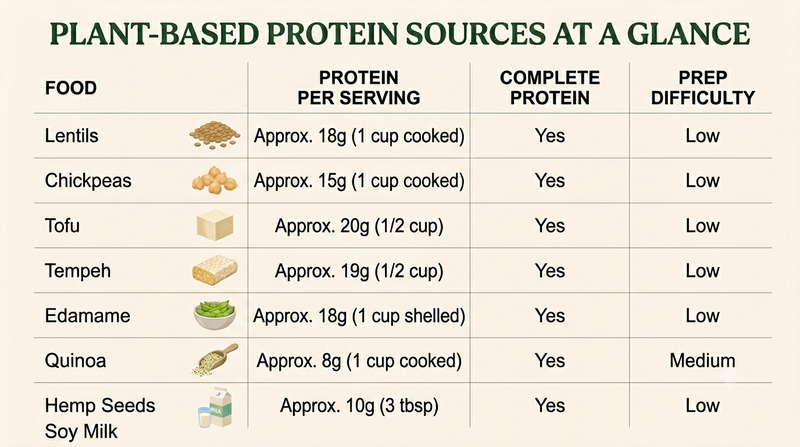
The backbone of plant-based protein sources is more practical than most people expect. Legumes sit at the center of almost every well-stocked plant-based kitchen, and for good reason. Lentils, black beans, chickpeas, and edamame each deliver between 15 and 18 grams of protein per cooked cup. They're inexpensive, shelf-stable, and versatile enough to anchor a vegan meal plan or a quick weeknight vegetarian dinner without much planning.
Tofu and tempeh round out the picture significantly. Tempeh in particular is one of the more protein-dense whole foods available at roughly 20 grams per serving, and it takes on flavor in a way that makes it genuinely useful across a wide range of plant based meals. Tofu is more neutral and works differently, absorbing marinades well and holding up in both stir-fries and scrambles.
Whole grains contribute more than most people realize. Quinoa offers around 8 grams per cooked cup and is one of the few plant foods that qualifies as a complete protein on its own. Farro, amaranth, and wild rice add meaningful amounts as well, usually between 5 and 7 grams per serving. Even plant-based milk, particularly soy milk, adds 7 to 8 grams per cup and integrates easily into existing habits like oatmeal or smoothies.
Nutritionist's Tip: Soy-based foods including tofu, tempeh, edamame, and soy milk are among the most protein-dense options in a plant-based kitchen. If you're trying to increase your overall protein intake without dramatically changing your eating habits, adding one soy-based food per day is one of the more efficient adjustments you can make.
What Complete Protein Actually Means
There's a persistent idea that plant proteins are somehow lesser because most individual plant foods don't contain all nine essential amino acids in adequate amounts. This framing is technically accurate but practically misleading.
Amino acids are the building blocks protein gets broken down into. Nine of them are essential, meaning the body can't produce them and needs to get them from food. Animal proteins tend to contain all nine in useful proportions, which is why they're called complete proteins. Most plant foods fall short on one or two.
What the complete protein framing misses is that your body doesn't process a single meal in isolation. It draws from amino acids across everything you eat throughout the day. As long as you're eating a reasonably varied plant based diet, including legumes, whole grains, and vegetables, your amino acid needs are almost certainly covered without any deliberate combining at individual meals.
Experts have noted that the old advice to pair complementary proteins at every meal, such as rice and beans together, was an overcorrection. The body maintains an amino acid pool that it draws from continuously. Variety across the day matters. The specific contents of each plate matter much less.
Making Protein Intake Consistent Day to Day
Knowing which protein rich foods exist is one thing. Getting them into your week regularly is another. The most practical approach on a plant based diet is building meals around a protein anchor from the start rather than adding protein as an afterthought.
A vegetarian dinner built around lentils, tempeh, or chickpeas is already a protein-forward plate before anything else is added. The best vegan recipes tend to work this way by design. A dal, a tofu stir-fry, or a chickpea bowl all put protein at the center and build vegetables and grains around it.
For anyone working with a vegan on a budget meal plan, dried legumes are the most cost-effective protein available. A two-pound bag of dried lentils or chickpeas costs a few dollars and yields enough protein for the better part of a week. Pairing them with whole grains across plant based meal prep sessions covers both protein and amino acid variety without much additional effort.
Chef's Tip: When cooking dried legumes in bulk, season the cooking water with a bay leaf, a smashed garlic clove, and a pinch of salt. It makes a noticeable difference in flavor compared to plain water and means the legumes are already seasoned when you use them across multiple meals throughout the week.
A 2024 analysis found that well-planned plant-based dietary patterns consistently met protein requirements across a range of population groups when whole food sources were included with adequate variety.
Staying Stocked Without Overcomplicating It
A solid plant-based grocery list doesn't need to be long. The core proteins, lentils, chickpeas, tofu, tempeh, edamame, hemp seeds, and soy milk, cover most of what you need across the week. Keeping these stocked means protein is always available without requiring a separate trip or a specific recipe.
Vegan snacks also close gaps between meals more effectively than most people account for. Roasted edamame, hummus with seed crackers, and nut butter on whole grain bread each add 7 to 10 grams of protein without any cooking. If you're working toward a consistent daily protein intake, snacks are where the difference often gets made.
For people who find weekly grocery shopping inconsistent, vegan grocery delivery keeps the right ingredients rotating through without requiring a dedicated planning session each week. Having a stocked kitchen is most of the work.
Hungryroot customers who eat plant-forward tend to find the variety genuinely useful. As one shared, "Good variety, quality of food and easy recipes. Some options for prepped veggies or precooked protein if you want."
Ready to make busy weeks easier?
Take our quick quiz to discover groceries and simple meal ideas tailored to your preferences.