
How to Manage Appetite Changes on GLP-1s
It often starts with a small realization. You look back on the day and notice you skipped lunch without meaning to. Or dinner felt optional, even though you know you should probably eat something. By the time evening rolls around, energy is low and decision-making feels harder than it should.
Loss of appetite can make daily eating feel unclear. The challenge is not whether appetite changes happen on GLP-1s, but how to respond to them in a way that supports nourishment without forcing food.
Why Appetite Changes Happen on GLP-1s
Reduced appetite and decreased hunger are common while taking GLP-1 medications. Many people feel full sooner, even after smaller meals. These shifts are part of how the medication works and do not mean something is wrong.
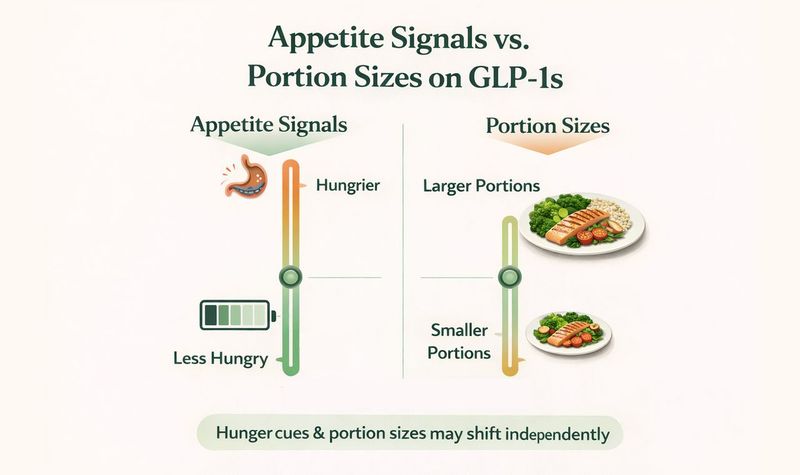
What often changes is the timing of hunger signals. Appetite may show up later than expected or feel less obvious throughout the day. Not feeling hungry does not always mean the body does not need food, especially when routines and energy demands stay the same.
Common Side Effects That Affect Eating
Some common side effects can make eating feel less appealing. Nausea, stomach discomfort, or a lingering sense of fullness may show up, particularly during dose changes or early on.
When these symptoms are present, food intake can drop lower than intended without much notice. Gentle adjustments to timing, portions, and food choices often help meals feel more manageable without adding pressure.
Why Eating Enough Still Matters
Even when appetite is low, nutrition continues to play an important role. Eating fewer calories may happen naturally, but consistently under-eating can affect energy, concentration, and blood sugar levels over time.
How to Eat When You Are Not Hungry
When you are not feeling hungry, eating does not have to look like a traditional meal. Smaller portions spread across the day often feel more approachable than sitting down to a full plate.
Focusing on softer textures, warm foods, and familiar combinations can help reduce resistance to eating. A small bowl, smoothie, or simple plate can provide nourishment without feeling overwhelming. The goal is to keep energy steady, not to meet an ideal version of a meal.
Portion Sizes Without Overthinking It
Portion sizes on GLP-1s do not need to be precise. Portion control here is about responsiveness rather than restriction.
Reducing food intake slightly, choosing smaller portions, or splitting meals into two sittings can support comfort while still allowing for consistent nourishment. Paying attention to how food feels afterward is often more helpful than measuring or tracking.
Protein at Each Meal, Even When Intake Is Low
Including protein at each meal can help meals feel more stabilizing, even when portions are small. Protein supports satiety and helps meals feel complete without requiring a lot of volume.
Pairing protein with other foods supports a balanced diet and makes it easier to eat consistently throughout the day, especially when appetite is unpredictable.
Nutritionist’s Tip: Eating Enough Without Forcing Food
If appetite is low, aim for nourishment over volume. A small meal with protein and easy-to-digest foods can be more supportive than skipping eating altogether and trying to make up for it later.
Foods and Beverages That Can Make Appetite Harder
Some foods and beverages to limit during low-appetite periods include very rich, greasy, or heavily processed options. These can feel heavy and make it harder to eat again later.
This is not about avoiding foods entirely. Noticing how certain foods affect comfort can guide choices that make eating easier across the day.
Supporting Lasting Weight Loss Without Underfueling
Loss of appetite can sometimes feel like an opportunity to maximize weight loss. Over time, though, lasting weight loss tends to be more sustainable when eating patterns support energy, routine, and consistency.
Eating enough to feel steady helps maintain habits that last beyond the early stages of GLP-1 use.
Grocery Support That Makes Low Appetite Easier
Having the right foods available can make a big difference when appetite is unpredictable. Choosing GLP-1 friendly groceries that are quick to prepare and flexible across meals reduces decision fatigue.
Many people following an Ozempic diet plan appreciate access to the best groceries for Ozempic users that work even on low-appetite days.
Consistency Over Perfection
Some people find that a weight-loss grocery delivery service helps remove barriers to eating regularly. Others combine groceries with weight loss support services or a medical weight loss program, while some prefer a flexible weight loss program centered on food alone.
What matters most is reducing friction. One Hungryroot customer shared, “I’m no longer tempted by the junk food I see at the grocery stores and the food is always delivered promptly and fresh!”
Managing Appetite Changes Day to Day
Managing appetite changes on GLP-1s is about responsiveness, not control. Loss of appetite does not require forcing food or ignoring hunger cues entirely. Small, consistent meals, flexible portions, and supportive grocery choices can help eating feel steadier day to day.