
How to Transition from Vegetarian to Fully Vegan
Many people who cook vegetarian dinners start noticing how often dairy and eggs appear in everyday meals. Cheese melts over pasta, cream cheese spreads onto bagels, and eggs show up in quick breakfasts. Moving toward vegan food usually begins when those small ingredients come into focus.
A vegetarian routine already includes many plant ingredients. Beans, grains, vegetables, and nuts may already be part of weekly meals. The shift to a vegan lifestyle often comes down to replacing dairy and eggs with plant based alternatives and building a few new cooking habits. With the right ingredients and a flexible approach, everyday meals can still feel familiar and satisfying.
What Changes When Moving from Vegetarian to Vegan?
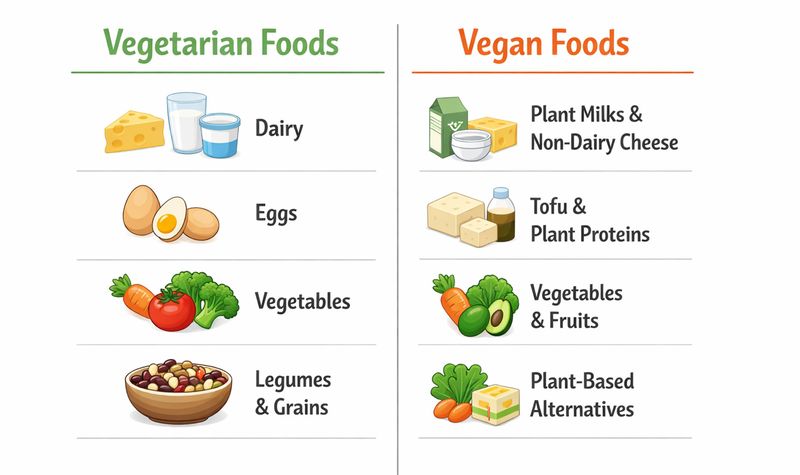
Vegetarian eating patterns often include dairy products and eggs. A vegan approach removes those items along with any other animal products. That means traditional cheese, milk, butter, yogurt, and eggs are replaced with plant based versions.
Fortunately, grocery stores now carry a wide range of alternatives. Vegan cheese made from cashews or almonds can add richness to pasta and sandwiches. Plant based milks made from oats, soy, or almonds work in coffee and cereal. Tofu can step in for eggs in certain recipes or provide protein in stir fries.
These swaps are not about completely reinventing meals. Many people simply adjust ingredients inside dishes they already enjoy. Pasta, grain bowls, soups, and salads can all fit comfortably within a plant based diet with a few small changes.
Build a Plant-Based Grocery List That Works for Real Life
A thoughtful plant-based grocery list can make the transition to vegan food feel much easier. Instead of starting from scratch each week, many people rely on a short list of versatile ingredients that work in multiple meals.
Some dependable staples include:
- Lentil or bean based proteins
- Chickpea for salads, bowls, and roasted snacks
- Tofu for stir fries or grain bowls
- Leafy greens like kale
- Roasted vegetables such as cauliflower
- Fresh ingredients like avocado
Flavor boosters matter too. A simple dressing, tahini sauce, or savory dip can transform a bowl of grains and roasted veggies into a full meal.
Planning ahead with these ingredients helps reduce grocery guesswork and makes vegan cooking feel more practical during busy weeks.
Simple Plant Based Meals That Replace Familiar Favorites
Many people discover that the easiest way to maintain a vegan routine is to keep familiar meal formats. Instead of learning entirely new recipes, it often works better to adapt dishes that already appear in a vegetarian meal plan.
For example:
- Grain bowls topped with roasted vegetables and chickpeas
- Pasta with tomato sauce and sautéed vegetables
- Stir fries with tofu and rice
- Hearty soups made with beans or lentils
These kinds of plant based meals keep the structure of traditional dinners while shifting ingredients. Over time, people often discover new favorites through easy vegan meals and simple cooking experiments. Many home cooks gradually build a personal list of best vegan recipes that fit their routine.
Chef’s Tip
Pressing tofu before cooking removes extra moisture and improves texture. Wrap the block in a clean towel and place a heavy pan on top for about 10 minutes. This helps tofu absorb marinades more easily.
Plant Based Meal Prep Makes the Transition Easier
Preparing a few ingredients in advance can simplify weeknight cooking. Plant based meal prep often involves cooking grains, roasting vegetables, and preparing proteins ahead of time.
A simple prep routine might include:
- Cooking a batch of lentils
- Roasting trays of cauliflower or sweet potatoes
- Chopping kale for salads
- Preparing a sauce or dressing
Once these ingredients are ready, assembling meals becomes much faster. A bowl with grains, roasted vegetables, and a protein source can come together in just a few minutes. Over time, this rhythm helps plant based cooking feel natural rather than complicated.
Where Vegan Protein Sources Fit Into Everyday Meals
Protein is often one of the first topics people explore when transitioning to vegan food. Fortunately, many common plant foods naturally contain protein.
Some widely used vegan protein sources include:
- Lentil and other legumes
- Chickpea
- Beans
- Tofu
- Nuts and seeds
These ingredients appear naturally in bowls, soups, salads, and pasta dishes. Combining legumes with grains can create filling meals that work well throughout the day.
Research published in 2024 notes that plant based dietary patterns can support adequate protein intake when a variety of legumes, grains, nuts, and seeds are included in regular meals.
Vegan Snacks and Everyday Convenience Foods
Snacks can make plant based eating feel easier between meals. Many vegan snacks rely on simple ingredients already found in most kitchens.
Examples include:
- Hummus or bean dip with vegetables
- Roasted chickpeas
- Avocado toast
- Crackers with nut based cream cheese spreads
- Fruit with nuts or seeds
Ingredients like cashew based spreads and dips are also common in vegan cooking because they add richness without dairy. Keeping a few easy snack options available helps maintain energy during busy days.
Making Vegan Food Work for Busy Schedules
Busy schedules can make cooking every meal feel challenging. Some people simplify their routine by using meal planning tools or vegan grocery delivery services that help organize ingredients for the week.
This approach can make it easier to follow a vegan on a budget meal plan without constantly searching for new recipes. Planning ahead often reduces grocery trips and helps maintain a steady routine.
One Hungryroot customer shared this experience:
“The food was fresh and everything was very tasty! It’s so hard to come up with recipes all the time as a vegan but now I can stop stressing about it!”
Nutritionist’s Tip
When building plant based meals, try starting with three simple elements: a plant protein, a whole grain, and colorful vegetables. This combination can help create satisfying meals without complicated planning.
Building a Vegan Lifestyle That Feels Sustainable
Transitioning to vegan food rarely happens all at once. Many people gradually replace ingredients, explore new recipes, and learn what works best in their kitchen.
Small changes to groceries and meal planning can build momentum over time. Adding new pantry staples, experimenting with plant based sauces, and discovering favorite dishes often helps the process feel more natural.
As cooking routines evolve, a vegan approach can become another flexible way to organize everyday meals. With a practical grocery list and a few reliable recipes, plant based eating can fit comfortably into many different lifestyles.
Ready to make busy weeks easier?
Take our quick quiz to discover groceries and simple meal ideas tailored to your preferences.