
Plant-Based Protein Myths Debunked
When people start exploring plant-based eating, one question almost always comes up first: will I get enough protein?
The concern is understandable. Many people grew up hearing that protein mostly comes from meat, eggs, or dairy. Yet a closer look at everyday foods shows that plant based protein appears in more places than people expect.
Beans, lentils, tofu, nuts, seeds, and whole grains all contribute meaningful protein to a plant based diet. Once these foods appear across regular meals, getting enough protein becomes far less complicated than the myths suggest.
Let’s look at a few common misconceptions about plant based protein and what supports balanced nutrition.
Myth 1: Plant-Based Diets Don’t Provide Enough Protein
One of the most persistent myths is that plant foods cannot provide enough protein. In reality, many everyday ingredients contain solid protein levels.
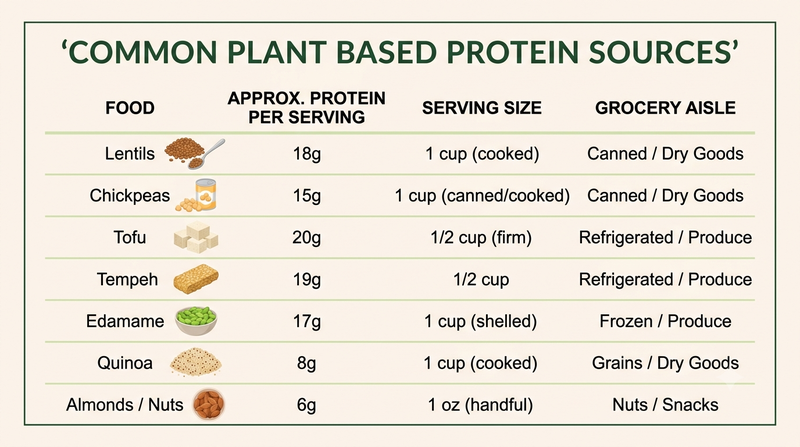
Chickpeas, black beans, edamame, and other legume options contribute meaningful protein. Nuts and seeds add another layer of protein along with healthy fats.
These foods appear regularly in plant based meals such as grain bowls, soups, salads, and stir-fries. Over the course of a normal day, protein from several ingredients naturally adds up.
Many practical plant based protein sources are already pantry staples:
- Lentil stews or soups
- Chickpea salads or hummus
- Tofu or tempeh stir-fries
- Trail mix with nuts and seeds
These options are also among the most widely recommended high protein plant based foods.
Myth 2: Plant Proteins Are Incomplete
Another misunderstanding is that plant protein lacks key building blocks the body needs.
Protein is made from smaller units called amino acid. Some foods contain all of them in balanced amounts, often described as complete plant based protein. Soy foods, quinoa, and buckwheat fall into this category.
Other plant foods contain most amino acids but in slightly different ratios. This is where the idea of plant protein vs animal protein often enters the conversation.
The body does not require every amino acid to appear in a single food at one meal. A varied diet naturally supplies the full range across the day.
Research published in 2024 reviewing plant-based dietary patterns found that people eating a wide range of legumes, grains, nuts, and seeds consistently meet amino acid requirements.
Nutritionist’s Tip
Instead of focusing on one “perfect” protein food, think about variety. Meals that include grains, legumes, vegetables, nuts, and seeds across the day naturally support balanced amino acid intake.
Myth 3: You Need to Combine Proteins at Every Meal
For years, nutrition advice suggested pairing foods like rice and beans at the same meal to create a complete protein.
Current nutrition understanding paints a simpler picture. The body maintains a pool of amino acids it draws from throughout the day. Meals do not need precise protein combinations.
What matters more is the overall pattern of eating. A whole diet that includes a variety of plant foods generally supplies the nutrients the body needs.
Studies examining plant-forward eating patterns continue to support this idea. A 2025 review exploring plant-based diets reported that diverse combinations of legumes, grains, nuts, and seeds provide sufficient protein quality when consumed as part of a varied diet.
Myth 4: Plant-Based Protein Can’t Support Muscle
Some people assume that plant protein cannot support strength or muscle maintenance.
Protein plays the same role in the body regardless of where it comes from. When people consume adequate amounts from plant foods, those nutrients still support normal muscle function and repair.
Learning how to get protein on a plant based diet usually comes down to including protein-rich ingredients in most meals.
Examples might include:
- A tofu grain bowl for lunch
- Lentil chili for dinner
- Smoothies blended with nut butter or seeds
Chef’s Tip
One easy way to boost protein in a vegetarian dinner is to add roasted chickpeas or warm lentils to grain bowls, salads, or pasta dishes. They blend into many meals without changing the flavor.
What Are the Highest Plant-Based Protein Foods?
Some plant foods naturally deliver more protein per serving than others. These ingredients often anchor plant based meal prep and appear in many best vegan recipes.
Common examples include:
- Lentils
- Chickpeas
- Edamame
- Tofu
- Tempeh
- Hemp seeds
- Almonds
- Pumpkin seeds
Because these foods are versatile, they appear in everything from soups and salads to tacos and noodle bowls.
Making Plant-Based Protein Simple in Everyday Meals
Once people start experimenting with plant based meals, protein usually stops feeling like a challenge.
Planning ahead helps. A simple vegan meal plan or vegetarian meal plan built around a few staple ingredients often makes weekly cooking easier.
Plant based meal prep often revolves around preparing a few versatile foods at once. Cooked lentils, roasted chickpeas, or marinated tofu can be added to salads, grain bowls, wraps, or pasta throughout the week.
Hungryroot helps simplify this process by delivering ingredients that work together easily. Many customers appreciate having plant-based groceries ready to use without extra planning.
As one customer shared in a Trustpilot review:
“I LOVE Hungryroot! The most delicious vegan food I have ever had. Finally I am able to eat the way I want with little hassle. THANK YOU!!!!”
Convenience can make a meaningful difference when people are trying to stick with a new routine.
Services that combine simple recipes with vegan grocery delivery also make it easier to experiment with new ingredients and explore best vegan recipes.
The Truth About Plant-Based Protein
In practice, many everyday foods already contain useful protein.
Beans, lentils, tofu, nuts, seeds, and whole grains all contribute protein and other nutrients. When these ingredients appear across meals and snacks, they support balanced nutrition within a plant based diet.
Ready to make busy weeks easier?
Take our quick quiz to discover groceries and simple meal ideas tailored to your preferences.